Tartrazine
Overview
Tartrazine (E102) is a synthetic azo dye widely used to produce yellow shades in foods and beverages including soft drinks, confectionery, soups, sauces, and certain bakery products. First synthesised in the late 19th century, it became one of the most commonly used yellow food colours globally due to its stability, water solubility, and cost-effectiveness. It is chemically a trisodium salt containing both azo and pyrazole groups, identifiable by its distinctive lemon-yellow hue.
Both JECFA and EFSA have established an ADI of 7.5 mg per kg body weight per day for tartrazine — JECFA most recently in 2018, with the same value confirmed in the EFSA OpenFoodTox 3.0 database. For a 60 kg adult this corresponds to a daily tolerable intake of 450 mg from all food sources. Both bodies concluded that tartrazine is safe at levels below the ADI for the general population, though it has been among the more carefully reviewed colourants due to persistent regulatory scrutiny.
Tartrazine is subject to mandatory warning label requirements in the EU under Regulation (EC) 1333/2008 Annex V: "may have an adverse effect on activity and attention in children." This follows a 2007 study by McCann et al. (The Lancet) linking a mixture of azo food colours — including tartrazine — with increased hyperactivity in children. The additive remains permitted in the EU, United States, Japan, and South Korea. Consumers managing attention disorders in children may wish to consider products that avoid azo colourants.
Generated from verified JECFA, EFSA, and regulatory data. All numerical values are sourced from the WHO/FAO JECFA Combined Compendium and EFSA OpenFoodTox 3.0.
Safety Assessment
| Body | Acceptable Daily Intake (ADI) | Year |
|---|---|---|
| JECFA | 0–7.5 mg/kg body weight/day · JECFA 2018 | 2018 |
| EFSA | 7.5 mg/kg body weight/day | — |
ADI = the amount of a substance a person can consume every day over a lifetime without appreciable health risk. Expressed as mg per kg body weight per day. Source: WHO/FAO JECFA Combined Compendium; EFSA OpenFoodTox 3.0.
Regulatory Status
| Jurisdiction | Status | Notes |
|---|---|---|
| United States | FDA approved; must be declared by name on label | Subject to FDA color-additive labeling rules. |
| European Union | Approved; mandatory hyperactivity warning | EU Reg. 1333/2008. |
| Japan | Approved with usage limits | — |
| South Korea | Approved (MFDS) | — |
| GB | FSA approved; hyperactivity warning required (EU rule retained) | — |
| VN | Approved with usage limits (Circular 24/2019) | — |
| TH | Approved with usage limits | — |
| IN | FSSAI approved with category limits | — |
| AE | Approved (GCC/GSO standards) | — |
| CN | Approved per GB 2760 | — |
Scientific Notes
Linked to behavioural changes in children (Southampton 2007); EU mandates warning label.
- •Southampton Study (McCann et al., The Lancet)(2007)
- •EU mandatory warning label— Reg. 1333/2008 Annex V
Chemical Identity
- IUPAC name
- trisodium;5-oxo-1-(4-sulfonatophenyl)-4-[(4-sulfonatophenyl)diazenyl]-4H-pyrazole-3-carboxylate
- CAS number
- 1934-21-0
- PubChem CID
- 164825
Primary Sources
Products on Looksee containing Tartrazine

Sweet Relish
Heinz

Yellow Rice Spanish Style
Goya
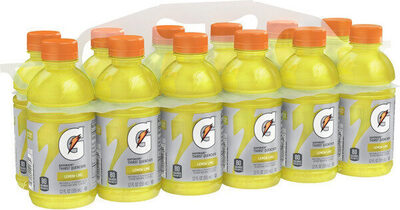
Gatorade Thirst Quencher Lemon Lime
Gatorade

Cheetos Baked Flamin' Hot Flavored
Cheetos

Mountain Dew
Mountain Dew

Sweet Relish
Mt. Olive

SWEET RELISH
Mt. Olive

Sparkling Orange Mango Carbonated Flavored Water
Kirkland
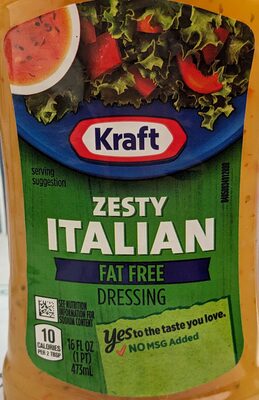
Fat Free Zesty Italian Dressing
Kraft
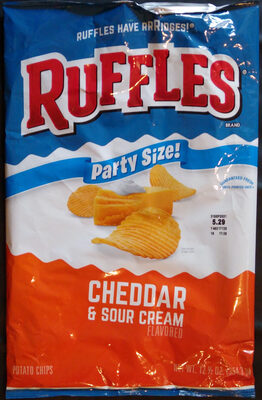
CHEDDAR & SOUR CREAM FLAVORED
RUFFLES

Froot Loops
Kellogg's

Froot Loops
Kellogg
Showing up to 12 products from our database. Search all products.