Mono- and diglycerides of fatty acids
Overview
Mono- and diglycerides of fatty acids (E471) are partial glycerol esters of fatty acids produced by glycerolysis of natural triglycerides (vegetable oils or animal fats) or by direct esterification of glycerol with fatty acids. The resulting mixture contains monoglycerides (one fatty acid esterified to glycerol, approximately 40–60% of the commercial product) and diglycerides (two fatty acids, approximately 30–40%), with minor triglyceride and free glycerol fractions. As partial esters, they are amphiphilic emulsifiers with an HLB range of 2–7 depending on fatty acid composition, making them primarily water-in-oil emulsifiers suitable for fat-continuous systems. They are the highest-volume food emulsifier globally, used in bread and baked goods (anti-staling by complexing with amylose, improving dough handling), margarine, ice cream, chocolate, processed meats, and dairy products.
JECFA has assigned mono- and diglycerides of fatty acids a not-specified ADI, as they are chemically and metabolically equivalent to intermediate products of normal triglyceride digestion (evaluated 1965 and confirmed in 1974). When ingested, monoglycerides are hydrolysed in the intestine by lipases to glycerol and free fatty acids — the same products generated from dietary triglycerides — and are absorbed and metabolised identically. The fatty acid composition of E471 reflects the source oil: soy, sunflower, rapeseed, or palm oil are typical, with palm-derived emulsifiers dominating by volume due to their semi-solid consistency at room temperature. The European Food Safety Authority has confirmed the not-specified ADI in its re-evaluation programme.
E471 is authorised under EU Regulation (EC) No 1333/2008 at quantum satis in most food categories and holds GRAS status in the United States under FDA 21 CFR §182.4505. A relevant consideration for certain consumers is the saturated fat content of palm-derived mono- and diglycerides, which contributes to cardiovascular risk if consumed in large quantities, though the emulsifier quantities in food are typically small. A separate labelling concern arises from E471 potentially being derived from pork fat, making it unsuitable for strict halal or kosher consumers without source verification — in the EU, source declaration is not currently required for E471.
Generated from verified JECFA, EFSA, and regulatory data. All numerical values are sourced from the WHO/FAO JECFA Combined Compendium and EFSA OpenFoodTox 3.0.
Safety Assessment
| Body | Acceptable Daily Intake (ADI) | Year |
|---|---|---|
| JECFA | Not specified — no concern at typical intakes · JECFA 1973 | 1973 |
| EFSA | — | — |
ADI = the amount of a substance a person can consume every day over a lifetime without appreciable health risk. Expressed as mg per kg body weight per day. Source: WHO/FAO JECFA Combined Compendium; EFSA OpenFoodTox 3.0.
Primary Sources
Products on Looksee containing Mono- and diglycerides of fatty acids

Wholemeal Bread
Warburtons

Mulitgrain Slims
Trader Joe's

Seeded Batch
Warburtons

100% Whole Wheat Bread
L'Oven Fresh
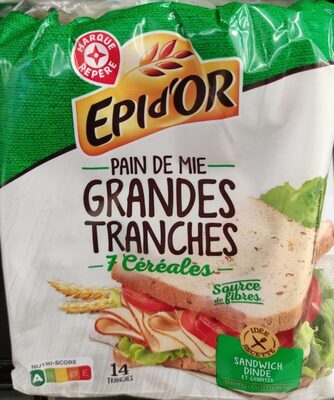
Pain de mie Grandes tranches 7 Céréales
Marque Repère

Margarina 100% vegetal
Hacendado

Cottage Cheese Small Curd 4% Milkfat Minimum
Great Value

10 Wraps Blé Nature Extra Moelleuses
Old El Paso

Sun-Dried Tomato wrap
L'Oven Fresh

Coffee mate the original powder coffee creamer
Nestlé

Matcha Green Tea Latte Mix
Trader Joe's
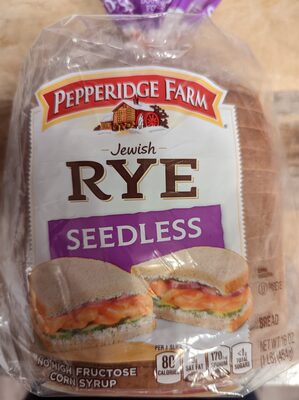
Pepperidge farm jewish rye seedless bread
Pepperidge Farm
Showing up to 12 products from our database. Search all products.