Polysorbate 80
Overview
Polysorbate 80 (E433, polyoxyethylene (20) sorbitan monooleate) is a non-ionic surfactant synthesised by reacting sorbitol with ethylene oxide to form a polyoxyethylene sorbitan ester, then esterifying with oleic acid. The resulting molecule is amphiphilic — a hydrophilic polyoxyethylene chain (20 ethylene oxide units) attached to a hydrophobic oleic acid tail — making it an effective oil-in-water emulsifier with an HLB value of approximately 15. In food applications, polysorbate 80 stabilises emulsions and aerated systems in ice cream (where it promotes fat destabilisation during freezing to improve creaminess and melting resistance), baked goods, salad dressings, and non-dairy creamers. It is also used as a solubiliser for fat-soluble vitamins and flavour compounds in aqueous food systems.
JECFA has established an ADI of 25 mg/kg body weight per day for polysorbates (evaluated as a group including polysorbates 20, 40, 60, 65, and 80, evaluated 1973). This ADI, while established decades ago, has not been revised downward despite emerging preclinical research. A series of studies published between 2015 and 2020 (Chassaing et al., Nature 2015; Viennois et al., Inflammatory Bowel Diseases 2017) demonstrated that polysorbate 80 at concentrations achievable from food consumption disrupted murine gut microbiota composition and promoted intestinal inflammation, colitis, and metabolic syndrome in mice, including germ-free and specific pathogen-free models. The authors proposed a mechanism involving detergent-like activity on the protective mucous layer overlying colonic epithelium.
The European Food Safety Authority initiated a re-evaluation of polysorbate 80 and the broader polysorbate group in the early 2020s, prompted in part by the murine data. Pending that reassessment, polysorbate 80 remains authorised under EU Regulation (EC) No 1333/2008 at maximum levels of 1,000–10,000 mg/kg depending on food category, and is permitted in the United States under FDA 21 CFR §172.840. Given the biological plausibility of a gut microbiota disruption mechanism and the global rise in inflammatory bowel disease incidence, the preclinical findings warrant precautionary attention even though human epidemiological evidence at current use levels remains limited.
Generated from verified JECFA, EFSA, and regulatory data. All numerical values are sourced from the WHO/FAO JECFA Combined Compendium and EFSA OpenFoodTox 3.0.
Safety Assessment
| Body | Acceptable Daily Intake (ADI) | Year |
|---|---|---|
| JECFA | 0–25 mg/kg body weight/day (total polysorbates) · JECFA 1973(Expressed as total polysorbates.) | 1973 |
| EFSA | — | — |
ADI = the amount of a substance a person can consume every day over a lifetime without appreciable health risk. Expressed as mg per kg body weight per day. Source: WHO/FAO JECFA Combined Compendium; EFSA OpenFoodTox 3.0.
Regulatory Status
| Jurisdiction | Status | Notes |
|---|---|---|
| United States | GRAS with usage limits | Emerging gut-microbiome/IBD literature (Chassaing et al. Nature 2015). |
| European Union | Approved with usage limits | Emerging gut-microbiome concerns flagged in EFSA re-evaluation. |
| Japan | Approved with usage limits | — |
| South Korea | Approved (MFDS) | — |
| GB | FSA approved with usage limits | — |
| VN | Approved with usage limits | — |
| TH | Approved with usage limits | — |
| IN | FSSAI approved with category limits | — |
| AE | Approved (GCC/GSO standards) | — |
| CN | Approved per GB 2760 | — |
Scientific Notes
May alter gut microbiota (animal models).
- •Chassaing et al., Nature(2015)— gut microbiota
Primary Sources
Products on Looksee containing Polysorbate 80

Sweet Relish
Heinz
Mt olive simply pickles kosher dill sandwich stuffers
Mt. Olive
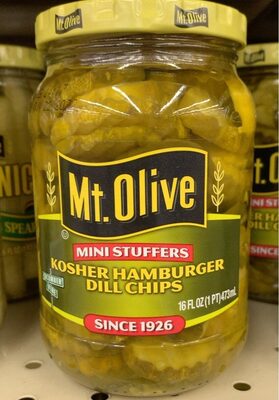
Hamburger Dill Chips
Mt. Olive Pickle Company Inc.

Fresh Pack Kosher Dills
Mt. Olive
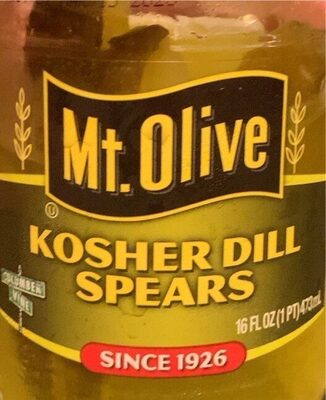
Kosher Dill Spears
Mt. Olive Pickle Company Inc.

Heavy Whipping Cream
Great Value

Cinnamon French Toast Sticks
FarmRich

Sweet Relish
Mt. Olive
Ice cream
Toft's

SWEET RELISH
Mt. Olive
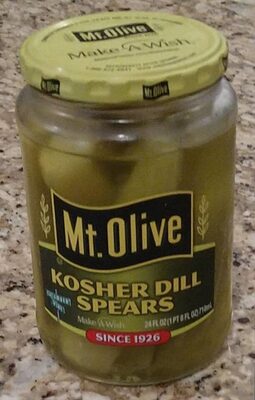
Kosher Dill Spears
Mt. Olive
Ice cream
Toft's
Showing up to 12 products from our database. Search all products.