Sucralose
Overview
Sucralose (E955, trichlorogalactosucrose) is a chlorinated disaccharide sweetener produced by selective substitution of three hydroxyl groups on sucrose with chlorine atoms, creating a molecule approximately 600 times sweeter than sucrose that is not recognised as a substrate by the metabolic enzymes that hydrolyse sucrose. It was discovered in 1976 by Tate and Lyle and Queen Elizabeth College, London. Because sucralose passes through the gastrointestinal tract largely unabsorbed and unmetabolised — approximately 85% is excreted intact in faeces, with the absorbed fraction (approximately 15%) excreted unchanged in urine without metabolic transformation — it provides no caloric contribution and has no effect on blood glucose or insulin responses. Its excellent heat stability, acid stability, and taste profile closely resembling sugar have made it the leading high-intensity sweetener for baking applications and the premium tier of diet beverages.
Both JECFA (evaluated 1989) and the European Food Safety Authority (2000) established an ADI of 15 mg/kg body weight per day for sucralose, representing full regulatory agreement. The safety database for sucralose includes over 100 animal and human studies submitted for regulatory review globally. Emerging research published from 2020 onwards has examined potential genotoxic effects — specifically, a 2023 study (Benson et al., Journal of Toxicology and Environmental Health) identified sucralose-6-acetate, a metabolic by-product formed during digestion, as a genotoxic compound in cell culture models, prompting calls for regulatory re-evaluation. EFSA and FDA have both stated they are monitoring the emerging data.
Sucralose is authorised under EU Regulation (EC) No 1333/2008 and US FDA 21 CFR §172.831 with specific maximum permitted levels. It holds regulatory approval in over 80 countries and carries no mandatory warning labels for any population subgroup, unlike aspartame (PKU warning) or saccharin (formerly). The sucralose-6-acetate genotoxicity data, while preliminary and limited to in vitro models, represents the first substantive post-approval safety signal for sucralose in its 35+ year history and warrants follow-up in in vivo models before any definitive risk assessment revision.
Generated from verified JECFA, EFSA, and regulatory data. All numerical values are sourced from the WHO/FAO JECFA Combined Compendium and EFSA OpenFoodTox 3.0.
Safety Assessment
| Body | Acceptable Daily Intake (ADI) | Year |
|---|---|---|
| JECFA | 0–15 mg/kg body weight/day · JECFA 1998 | 1998 |
| EFSA | 15 mg/kg body weight/day | — |
ADI = the amount of a substance a person can consume every day over a lifetime without appreciable health risk. Expressed as mg per kg body weight per day. Source: WHO/FAO JECFA Combined Compendium; EFSA OpenFoodTox 3.0.
Regulatory Status
| Jurisdiction | Status | Notes |
|---|---|---|
| United States | GRAS; FDA ADI 5 mg/kg/day | — |
| European Union | Approved; EFSA ADI 15 mg/kg/day; heat-decomposition under review | — |
| Japan | Approved with usage limits | — |
| South Korea | Approved (MFDS) | — |
| GB | FSA approved with usage limits | — |
| VN | Approved with usage limits | — |
| TH | Approved with usage limits | — |
| IN | FSSAI approved with category limits | — |
| AE | Approved (GCC/GSO standards) | — |
| CN | Approved per GB 2760 | — |
Chemical Identity
- IUPAC name
- (2R,3R,4R,5R,6R)-2-[(2R,3S,4S,5S)-2,5-bis(chloromethyl)-3,4-dihydroxyoxolan-2-yl]oxy-5-chloro-6-(hydroxymethyl)oxane-3,4-diol
- CAS number
- 56038-13-2
- PubChem CID
- 71485
Primary Sources
Products on Looksee containing Sucralose
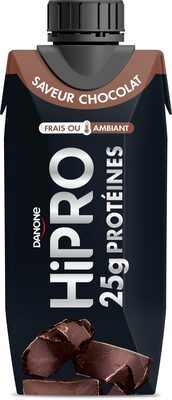
HiPRO Chocolat
Danone

High Protein Pudding Vanille
Lidl

Bebida de Soja
Hacendado

Kéfir Fresa Plátano
Hacendado

DOUBLESHOT ENERGY
STARBUCKS

Honey clusters breakfast cereal
Fiber One

Strawberry Watermelon Hydration Drink
Prime

Protein Bar Caramel Cashew
Barebells

Hot Cocoa Mix
Swiss Miss

Whey Protein Creamy Chocolate Flavored
Kirkland Signature

Vanilla Milkshake
Pure Protein

Reese's Miniature Cups Chocolate Candy & Peanut Butter
Reese's
Showing up to 12 products from our database. Search all products.