Steviol glycosides (Stevia)
Overview
Steviol glycosides (E960) are a group of diterpenoid glycosides extracted from the leaves of Stevia rebaudiana Bertoni, a plant native to Paraguay and Brazil used for centuries by the Guaraní people as a sweetener. The major commercial compounds are stevioside (approximately 250–300 times sweeter than sucrose), rebaudioside A (Reb A, 350–450 times sweeter, with a cleaner taste profile), and rebaudioside M and D (highest purity, 500–600 times sweeter, minimal aftertaste). All steviol glycosides share the same aglycone — steviol, a diterpene acid — and differ in the number and type of sugar units attached. The bitter-resinous aftertaste associated with early stevia products is primarily due to stevioside and has been progressively reduced by selective breeding, extraction optimisation, and blending of Reb A and Reb M-dominant fractions.
JECFA established an ADI of 4 mg/kg body weight per day for steviol glycosides expressed as steviol equivalents (evaluated 2008). This ADI applies to the steviol backbone, which is the common metabolic endpoint: intestinal bacteria cleave all glycoside forms to steviol, which is absorbed, conjugated in the liver to steviol glucuronide, and excreted in urine without systemic accumulation. The European Food Safety Authority confirmed the 4 mg/kg ADI in its 2010 and 2015 opinions. At the approved use levels, estimated dietary exposure for average consumers is well below the ADI; high consumers of stevia-sweetened products may approach but not typically exceed it. Blood glucose and insulin responses are not affected by steviol glycoside consumption, making them appropriate for individuals with diabetes.
Steviol glycosides are authorised under EU Regulation (EC) No 1333/2008 at maximum levels of 40–330 mg/kg (as steviol equivalents) by food category, and approved by FDA under GRAS notification procedures (stevioside GRAS Notice GRN 000252, Reb A GRN 000253 and subsequent). The post-2012 commercial expansion of stevia in global food and beverage markets has been driven by consumer preference for "natural" sweeteners and the absence of the synthetic-chemical connotations attached to aspartame and saccharin. Steviol glycosides derived from fermentation (bioconversion) processes rather than leaf extraction are also commercially available and regulated as the same compounds by EFSA and FDA.
Generated from verified JECFA, EFSA, and regulatory data. All numerical values are sourced from the WHO/FAO JECFA Combined Compendium and EFSA OpenFoodTox 3.0.
Safety Assessment
| Body | Acceptable Daily Intake (ADI) | Year |
|---|---|---|
| JECFA | 0–4 mg/kg body weight/day (as steviol equivalents) · JECFA 2008(Expressed as as steviol equivalents.) | 2008 |
| EFSA | — | — |
ADI = the amount of a substance a person can consume every day over a lifetime without appreciable health risk. Expressed as mg per kg body weight per day. Source: WHO/FAO JECFA Combined Compendium; EFSA OpenFoodTox 3.0.
Regulatory Status
| Jurisdiction | Status | Notes |
|---|---|---|
| United States | GRAS sweetener (since 2008) | — |
| European Union | Approved with usage limits | — |
| Japan | Approved with usage limits | — |
| South Korea | Approved (MFDS) | — |
| GB | FSA approved with usage limits | — |
| VN | Approved with usage limits | — |
| TH | Approved with usage limits | — |
| IN | FSSAI approved with category limits | — |
| AE | Approved (GCC/GSO standards) | — |
| CN | Approved per GB 2760 | — |
Primary Sources
Products on Looksee containing Steviol glycosides (Stevia)

double zéro Cerise
Danone

SUPER ZERO BLENDED NONFAT GREEK YOGURT
Friendly Farms

Heinz beanz in a rich tomato sauce no added sugar
Heinz

Molokai Coconut
bai

Wild Berry Prebiotic Soda
poppi
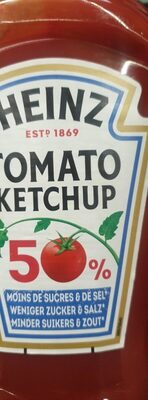
Tomato ketchup
Heinz

Zambia Bing Cherry
bai

Ferme & fondant Chocolat
Nestlé

Mixed Berry Kombucha
Nexba

Zero sugar mixed berry juice
Ocean spray

Boost nutrition drink
Nestle

Greek Yogurt
Chobani
Showing up to 12 products from our database. Search all products.