Xanthan gum
Overview
Xanthan gum (E415) is a high-molecular-weight exopolysaccharide produced by fermentation of glucose or sucrose with the bacterium Xanthomonas campestris. Its complex repeating pentasaccharide backbone — comprising glucose, mannose, and glucuronate units with pyruvate and acetate substituents — produces an unusual rheological profile: strong pseudoplasticity (high viscosity at rest, low viscosity under shear) that provides excellent suspension stability at low shear (storage, pouring) without excessive thickness during processing or consumption. This distinctive flow behaviour, combined with outstanding freeze-thaw stability and tolerance of wide pH ranges (3–11) and temperatures (up to 80°C), makes xanthan gum one of the most versatile hydrocolloids in food manufacturing. It is ubiquitous in salad dressings, sauces, baked goods, dairy products, gluten-free formulations, and low-fat foods.
JECFA assigned xanthan gum a not-specified ADI, affirming its safety at food use levels on the basis of non-digestibility and negligible systemic absorption (evaluated 1986). Like guar gum and other dietary fibres, xanthan gum undergoes colonic fermentation to short-chain fatty acids. The European Food Safety Authority independently assessed xanthan gum and set its ADI as "not allocated" — EFSA's equivalent terminology confirming no numerical limit is needed. Clinical studies evaluating xanthan gum as a dietary supplement (3–15 g/day) have documented dose-dependent increases in stool frequency and bulk, consistent with its soluble dietary fibre classification, with no adverse systemic effects.
Xanthan gum is authorised under EU Regulation (EC) No 1333/2008 at quantum satis in most food categories and holds GRAS status in the United States under FDA 21 CFR §172.695. It is among the most widely used food hydrocolloids globally, with production exceeding 100,000 metric tons annually. A niche concern for individuals with extreme corn or wheat sensitivity involves trace fermentation substrate residues, though commercial xanthan gum is extensively purified and documented allergen reactions to the polymer itself are exceedingly rare. In coeliac disease management, xanthan gum is a key structural ingredient in gluten-free bread formulations, providing a degree of the visco-elastic network that gluten normally supplies.
Generated from verified JECFA, EFSA, and regulatory data. All numerical values are sourced from the WHO/FAO JECFA Combined Compendium and EFSA OpenFoodTox 3.0.
Safety Assessment
| Body | Acceptable Daily Intake (ADI) | Year |
|---|---|---|
| JECFA | Not specified — no concern at typical intakes · JECFA 1975 | 1975 |
| EFSA | not allocated | — |
ADI = the amount of a substance a person can consume every day over a lifetime without appreciable health risk. Expressed as mg per kg body weight per day. Source: WHO/FAO JECFA Combined Compendium; EFSA OpenFoodTox 3.0.
Regulatory Status
| Jurisdiction | Status | Notes |
|---|---|---|
| United States | GRAS thickener | — |
| European Union | Approved; no ADI | — |
| Japan | Approved | — |
| South Korea | Approved (MFDS) | — |
| GB | FSA approved | — |
| VN | Approved | — |
| TH | Approved | — |
| IN | FSSAI approved | — |
| AE | Approved (GCC/GSO standards) | — |
| CN | Approved per GB 2760 | — |
Primary Sources
Products on Looksee containing Xanthan gum

KETO BREAD
OROWEAT

Sweet Relish
Heinz

Chicken Shu Mai
Trader Joe's

Gluten Free Spinach Herb
Mission

Filets de maquereaux moutarde
Nixe

Celeri fromage blanc dnp 320g
Bonduelle

Kéfir Fresa Plátano
Hacendado

Original Chik'n Patties
MorningStar Farms
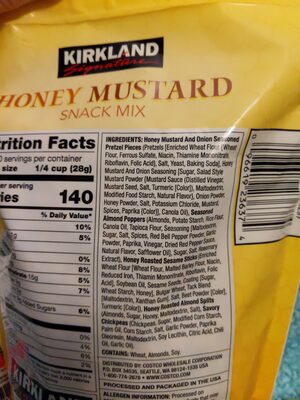
Honey Mustard Snack Mix
Kirkland

Light Chicken Noodle
Progresso

Sun-Dried Tomato wrap
L'Oven Fresh

Classic Pancake & Waffle Mix
Bob's Red Mill
Showing up to 12 products from our database. Search all products.