Sodium nitrite
Overview
Sodium nitrite (E250) is the most widely used nitrite curing salt in the food industry, employed in bacon, ham, sausages, hot dogs, salami, and cured fish. In processed meat, it serves three interdependent functions: preservation against Clostridium botulinum and other anaerobic pathogens; colour fixation through reaction with myoglobin to form stable pink nitrosomyoglobin; and flavour development through Maillard-type reactions with meat proteins. Sodium nitrite is typically applied as a pre-mixed curing salt containing 0.6% NaNO₂ in sodium chloride (Prague powder #1) to ensure safe and accurate dosing.
JECFA established a group ADI of 0.07 mg/kg body weight per day for sodium and potassium nitrites (evaluated 2002). This very low ADI reflects serious dose-dependent toxicological concerns. At elevated doses, nitrite oxidises haemoglobin to methaemoglobin, impairing oxygen transport — a risk most acute in infants and individuals with G6PD deficiency. More significantly from a population health perspective, nitrite can react with secondary amines and amides in food and in the gastrointestinal tract to form N-nitrosamines, a class of compounds with established carcinogenic activity in multiple animal species. The European Food Safety Authority's 2017 comprehensive assessment (EFSA Journal 15:4786) determined that nitrite from cured meats contributes meaningfully to overall N-nitrosamine exposure and represents a long-term cancer risk concern, particularly for colorectal cancer.
Sodium nitrite is regulated under EU Annex II at maximum permitted levels of 100–150 mg/kg and under US FDA 21 CFR §172.175. IARC's 2015 Monograph classifying processed meat as a Group 1 carcinogen explicitly cited nitrite-derived N-nitrosamines as part of the mechanistic evidence. Regulatory bodies have not banned nitrites because their anti-botulism benefit is considered to outweigh the cancer risk at current permitted levels — but they have progressively reduced maximum levels. Consumers wishing to minimise exposure should choose fresh unprocessed meats and limit consumption of commercially cured products.
Generated from verified JECFA, EFSA, and regulatory data. All numerical values are sourced from the WHO/FAO JECFA Combined Compendium and EFSA OpenFoodTox 3.0.
Safety Assessment
| Body | Acceptable Daily Intake (ADI) | Year |
|---|---|---|
| JECFA | 0–0.07 mg/kg body weight/day (as nitrite ion) · JECFA 2003(Expressed as as nitrite ion.) | 2003 |
| EFSA | — | — |
ADI = the amount of a substance a person can consume every day over a lifetime without appreciable health risk. Expressed as mg per kg body weight per day. Source: WHO/FAO JECFA Combined Compendium; EFSA OpenFoodTox 3.0.
Regulatory Status
| Jurisdiction | Status | Notes |
|---|---|---|
| United States | Allowed for cured meats; strict residue limits | Same nitrosamine concerns as E249. |
| European Union | Approved for cured meats; max ingoing levels lowered 2023 | — |
| Japan | Approved for cured meats with limits | — |
| South Korea | Approved for cured meats with limits | — |
| GB | FSA approved with strict residue limits | — |
| VN | Approved for cured meats with strict limits | — |
| TH | Approved for cured meats with strict limits | — |
| IN | FSSAI restricted to cured meats with strict limits | — |
| AE | Approved for cured meats with strict limits | — |
| CN | Approved for cured meats per GB 2760 | — |
Scientific Notes
- •IARC Group 1 (processed meat)(2015)
Chemical Identity
- IUPAC name
- sodium nitrite
- CAS number
- 7632-00-0
- PubChem CID
- 23668193
Primary Sources
Products on Looksee containing Sodium nitrite
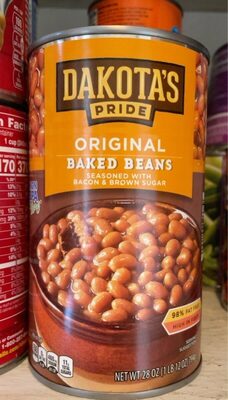
Original Baked Beans
Aldi
Thin Sliced Turkey Breast
Buckley Farms

Bacon
Kirkland

Traditional Split Pea with Ham Soup
Progresso

Allumettes de poulet
Fleury Michon

Pechuga Pavo Peito de Peru Finas Lonchas Fatias
Hacendado
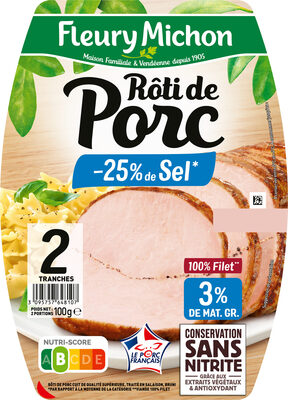
Rôti de Porc
Fleury Michon
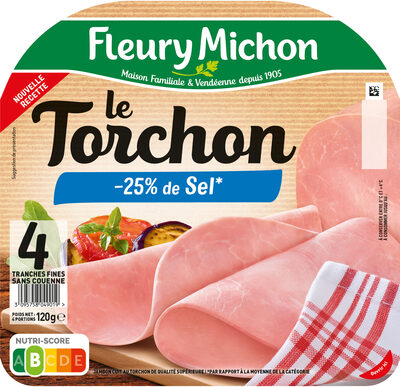
Le Torchon - Cuit à l'Etouffée - 25% de sel*
Fleury Michon

Jambon cuit de qualité supérieure
Fleury Michon

Simplement bon - 25% de Sel*
Fleury Michon

Le Torchon - Cuit à l'Etouffée - 25% de sel
Fleury Michon
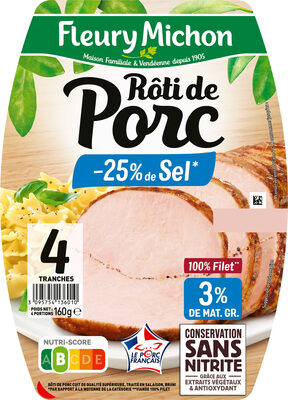
Rôti de Porc - 25% de sel*
Fleury Michon
Showing up to 12 products from our database. Search all products.