Sulphur dioxide
Overview
Sulphur dioxide (E220) is one of the oldest known food preservatives, with documented use in winemaking dating to ancient Rome. It acts through multiple complementary mechanisms: non-enzymatic and enzymatic browning inhibition, antimicrobial activity against bacteria and wild yeasts, antioxidant protection of sensitive flavour compounds, and protein binding that stabilises colour in dried fruits and wines. In aqueous solution SO₂ exists as a pH-dependent equilibrium of sulphur dioxide, sulphite (SO₃²⁻), bisulphite (HSO₃⁻), and metabisulphite ions, with bisulphite being the dominant antimicrobial species at typical food pH levels.
JECFA established an ADI of 0.7 mg/kg body weight per day for sulphur dioxide and sulphites (evaluated as SO₂ equivalents, 1999 evaluation). This ADI is significantly lower than most other preservatives, reflecting dose-dependent adverse effects in sensitive individuals. The European Food Safety Authority's 2016 re-evaluation (EFSA Journal 14:4438) confirmed the 0.7 mg/kg group ADI for SO₂ and sulphites (E220–E228). EFSA's exposure modelling showed that high-consuming children and some adult subgroups consuming wine, dried fruits, and preserved vegetables may approach or exceed the ADI, flagging a safety concern warranting consumption awareness.
Sulphite sensitivity affects an estimated 1% of the general population and up to 5–10% of people with asthma. Reactions range from mild urticaria and rhinitis to severe bronchoconstriction and, rarely, anaphylaxis. Regulatory bodies in the EU, US, Canada, and Australia require mandatory labelling when SO₂ or sulphite content exceeds 10 mg/kg or 10 mg/L — one of the few food additive disclosure thresholds written into allergy labelling law. Sulphur dioxide is approved under EU Regulation (EC) No 1333/2008 and US FDA 21 CFR §182.3862 with specific maximum use levels by food category.
Generated from verified JECFA, EFSA, and regulatory data. All numerical values are sourced from the WHO/FAO JECFA Combined Compendium and EFSA OpenFoodTox 3.0.
Safety Assessment
| Body | Acceptable Daily Intake (ADI) | Year |
|---|---|---|
| JECFA | 0–0.7 mg/kg body weight/day (as SO₂ equivalents) · JECFA 1967(Expressed as as SO₂ equivalents.) | 1967 |
| EFSA | — | — |
ADI = the amount of a substance a person can consume every day over a lifetime without appreciable health risk. Expressed as mg per kg body weight per day. Source: WHO/FAO JECFA Combined Compendium; EFSA OpenFoodTox 3.0.
Regulatory Status
| Jurisdiction | Status | Notes |
|---|---|---|
| United States | GRAS with limits; >10 ppm disclosure required | Common asthma trigger; mandatory disclosure threshold is 10 ppm. |
| European Union | Approved with usage limits; mandatory allergen disclosure | — |
| Japan | Approved with usage limits | — |
| South Korea | Approved (MFDS); allergen disclosure | — |
| GB | FSA approved with usage limits; allergen disclosure | — |
| VN | Approved with usage limits | — |
| TH | Approved with usage limits | — |
| IN | FSSAI approved with category limits | — |
| AE | Approved (GCC/GSO standards) | — |
| CN | Approved per GB 2760 | — |
Chemical Identity
- IUPAC name
- sulfur dioxide
- CAS number
- 7446-09-5
- PubChem CID
- 1119
Primary Sources
Products on Looksee containing Sulphur dioxide

Creatine Powder
IronMaxx

Dried Apricots
Trader Joe's

Dried Apricots
Alesto

Probiotic Apricots
Nature's Garden

Premium Fruit & Nut Muesli
Lidl

Wheat Thins Sundried Tomato and Basil
Wheat Thins

Wheat Thins Sundried Tomato & Basil Snacks
Nabisco

Crunchy muesli
Bakalland

Balsamic Vinegar
Goya

Teriyaki Pineapple Chicken Meatballs
Amylu
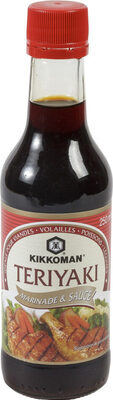
Teriyakisauce
Kikkoman

Balanced Breaks
Sargento
Showing up to 12 products from our database. Search all products.