Ascorbic acid (Vitamin C)
Overview
Ascorbic acid (E300, vitamin C) is a water-soluble lactone synthesised commercially from glucose via the Reichstein process or biotechnological fermentation. As a food additive it functions primarily as an antioxidant, scavenging free radicals and reactive oxygen species that cause oxidative rancidity in fats and enzymatic browning in cut fruits and vegetables. It also acts as a reducing agent that regenerates other antioxidants such as vitamin E, and in meat processing helps maintain the red colour of myoglobin and accelerates nitrite curing reactions. Common applications include beverages, fruit preparations, bread dough (where it strengthens gluten networks through oxidation of thiol groups), canned goods, and processed meats.
JECFA has assigned ascorbic acid a not-specified ADI, its highest safety classification, indicating that available toxicological data provide no basis for concern at levels achievable through normal food use (evaluated 1981 and confirmed in subsequent reviews). At pharmacological doses above 2 g/day, ascorbic acid can cause osmotic diarrhoea and, in individuals with haemochromatosis or glucose-6-phosphate dehydrogenase deficiency, can exacerbate iron overload or trigger haemolytic episodes. At food additive use levels these pharmacological effects are irrelevant. There is no established EFSA ADI because the substance is a nutrient and no safety limit is required for food additive use levels.
Ascorbic acid is among the most extensively characterised substances in food science and nutrition. It is authorised without specific maximum levels ("quantum satis") in most EU food categories under Regulation (EC) No 1333/2008, and holds GRAS status in the United States (21 CFR §182.3013). The ascorbic acid–sodium benzoate interaction that can generate trace benzene in acidic beverages is a formulation concern that has driven many manufacturers to replace benzoate with alternative preservatives. As both a nutrient and a functional additive, ascorbic acid occupies a uniquely uncomplicated regulatory position.
Generated from verified JECFA, EFSA, and regulatory data. All numerical values are sourced from the WHO/FAO JECFA Combined Compendium and EFSA OpenFoodTox 3.0.
Safety Assessment
| Body | Acceptable Daily Intake (ADI) | Year |
|---|---|---|
| JECFA | Not specified — no concern at typical intakes · JECFA 1974 | 1974 |
| EFSA | — | — |
ADI = the amount of a substance a person can consume every day over a lifetime without appreciable health risk. Expressed as mg per kg body weight per day. Source: WHO/FAO JECFA Combined Compendium; EFSA OpenFoodTox 3.0.
Regulatory Status
| Jurisdiction | Status | Notes |
|---|---|---|
| United States | GRAS antioxidant | — |
| European Union | Approved; no ADI | — |
| Japan | Approved | — |
| South Korea | Approved (MFDS) | — |
| GB | FSA approved | — |
| VN | Approved | — |
| TH | Approved | — |
| IN | FSSAI approved | — |
| AE | Approved (GCC/GSO standards) | — |
| CN | Approved per GB 2760 | — |
Chemical Identity
- IUPAC name
- (2R)-2-[(1S)-1,2-dihydroxyethyl]-3,4-dihydroxy-2H-furan-5-one
- CAS number
- 50-81-7
- PubChem CID
- 54670067
Primary Sources
Products on Looksee containing Ascorbic acid (Vitamin C)

Compote pommes allégée en sucres
Freshona

Red Kidney Beans
Freshona
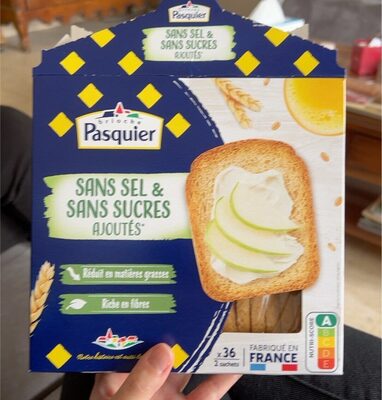
Biscottes sans sel et sans sucre ajoutés
Pasquier

Wholemeal Bread
Warburtons

Doritos goût nature
Doritos

Fines Tartines farine de Seigle
Jacquet

Seeded Batch
Warburtons
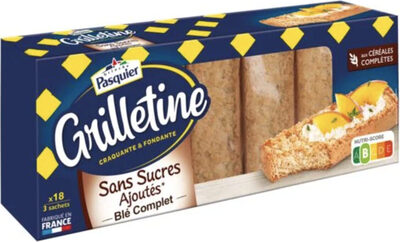
Grilletine Sans sucres ajoutés Blé complet
Pasquier
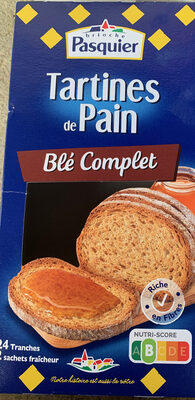
Tartines de Pain Blé Complet
Brioche Pasquier

Jambon Simplement Bio - Conservation sans nitrite
Fleury Michon

jambon
HERTA
Petits pains grillés aux céréales
Carrefour BIO
Showing up to 12 products from our database. Search all products.