Carrageenan
Overview
Carrageenan (E407) is a family of linear sulphated polysaccharides extracted from red seaweeds of the Rhodophyta class, principally Chondrus crispus, Eucheuma, and Kappaphycus species. Three main forms are distinguished by their sulphation pattern and gelling character: kappa-carrageenan (firm, brittle gels with potassium ions), iota-carrageenan (soft, elastic gels with calcium ions), and lambda-carrageenan (non-gelling thickener). In food manufacturing, carrageenan is used as a gelling agent, thickener, and stabiliser in dairy desserts, processed cheese, infant formula, deli meats (as a water binder), and chocolate milk (where it prevents cocoa particle sedimentation through weak-gel network formation).
JECFA has assigned carrageenan a not-specified ADI, based on extensive safety studies establishing the absence of genotoxicity, carcinogenicity, or organ toxicity at normal food additive exposure levels (evaluated 2014 by the 79th JECFA meeting). The toxicological history of carrageenan is complex: degraded carrageenan (poligeenan, produced by acid hydrolysis to molecular weights below 20,000 Da) causes intestinal ulceration in animal models and was investigated as a potential pharmaceutical inflammatory agent. Native food-grade carrageenan (molecular weight 200,000–800,000 Da) is clearly distinct, but critics have argued that acidic gastric conditions may generate some degraded fragments in vivo. JECFA's 2014 review examined this mechanism and concluded that evidence does not support carcinogenicity or inflammatory activity from food-grade carrageenan at achievable dietary exposures.
Carrageenan is authorised under EU Regulation (EC) No 1333/2008 with restrictions in infant formula — only processed cereal-based foods and foods for special medical purposes may contain carrageenan for infants (maximum 1 g/L). It holds GRAS status in the United States under FDA 21 CFR §172.620. The Codex Alimentarius Commission permits carrageenan at quantum satis in most food categories. It is absent from organic certification schemes in the EU but permitted under USDA NOP organic regulations, a divergence that has generated labelling debate in the natural products industry. Given ongoing scientific debate, some manufacturers have proactively reformulated infant formula to remove carrageenan despite regulatory approval.
Generated from verified JECFA, EFSA, and regulatory data. All numerical values are sourced from the WHO/FAO JECFA Combined Compendium and EFSA OpenFoodTox 3.0.
Safety Assessment
| Body | Acceptable Daily Intake (ADI) | Year |
|---|---|---|
| JECFA | Not specified — no concern at typical intakes · JECFA 2014 | 2014 |
| EFSA | — | — |
ADI = the amount of a substance a person can consume every day over a lifetime without appreciable health risk. Expressed as mg per kg body weight per day. Source: WHO/FAO JECFA Combined Compendium; EFSA OpenFoodTox 3.0.
Regulatory Status
| Jurisdiction | Status | Notes |
|---|---|---|
| United States | GRAS; under continuing FDA review | — |
| European Union | Approved; banned in infant formula since 2018 | EFSA reaffirmed the ban for infant formula on precautionary grounds. |
| Japan | Approved with usage limits | — |
| South Korea | Approved (MFDS) | — |
| GB | FSA approved; infant-formula restriction retained | — |
| VN | Approved with usage limits | — |
| TH | Approved with usage limits | — |
| IN | FSSAI banned in dairy products since 2021 | India-specific divergence — permitted in non-dairy categories. |
| AE | Approved (GCC/GSO standards) | — |
| CN | Approved per GB 2760 | — |
Scientific Notes
Degraded form (poligeenan) inflammatory in animal studies; food-grade contested.
Primary Sources
Products on Looksee containing Carrageenan

High Protein Pudding Vanille
Lidl

Organic Soy Vanilla
Kirkland

Coffee Mate The Original
Nestlé
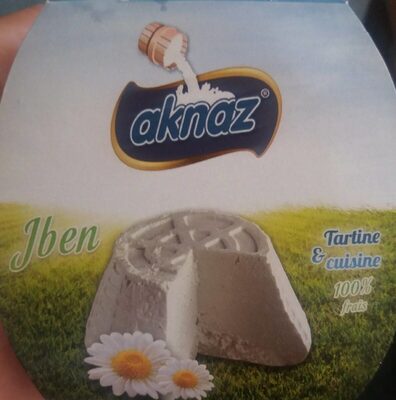
Jben AKNAZ
Aknaz

Dessert gourmand choco
Jaouda
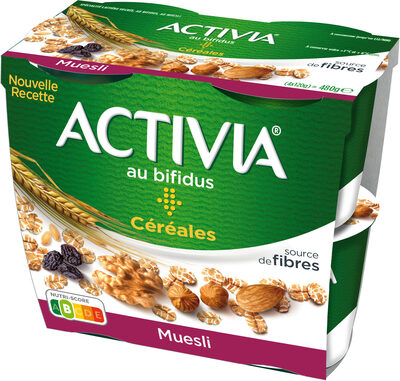
Activia bifidus cereales 120 g x 4 muesli
Activia

Semoule au Lait Vanille
Nestlé

Viennois chocolat
Nestlé

Cottage Cheese Small Curd 4% Milkfat Minimum
Great Value

TZATZIKI CREAMY GARLIC CUCUMBER DIP
TRADER JOE'S

Queso blanco pasteurizado
Hacendado Suave
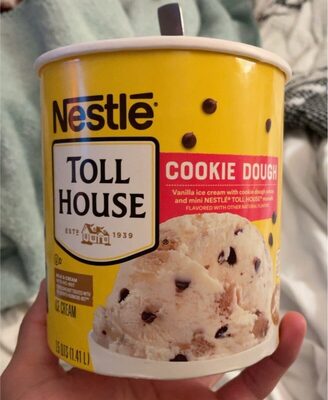
Nestle Cookie Dough Ice Cream
Nestlé
Showing up to 12 products from our database. Search all products.