Aspartame
Overview
Aspartame (E951) is a dipeptide methyl ester sweetener — L-aspartyl-L-phenylalanine methyl ester — approximately 200 times sweeter than sucrose at low concentrations, with a clean, sugar-like taste profile that has made it the dominant high-intensity sweetener in tabletop applications and diet carbonated beverages since its commercial approval in the 1980s. It is metabolised completely by intestinal esterases to aspartic acid, phenylalanine, and methanol — compounds that are normal constituents of fruits, vegetables, and dietary proteins. As a peptide, aspartame provides 4 kcal/g, but because the usage concentration is 1/200th that of sucrose, its caloric contribution to food is negligible. It is heat-labile and loses sweetness during prolonged cooking, limiting its use to post-processing addition or heat-stable blends.
JECFA established an ADI of 40 mg/kg body weight per day for aspartame (evaluated 1980, 1983, 2023). The 2023 JECFA evaluation was prompted by new mechanistic data on carcinogenicity and represented the most comprehensive review to date. IARC simultaneously classified aspartame as Group 2B (possibly carcinogenic to humans), based primarily on limited epidemiological associations in three prospective cohort studies and mechanistic data from rodent studies; JECFA maintained the 40 mg/kg ADI, concluding the evidence was not sufficient to change the safety determination at this ADI level. This IARC/JECFA divergence — a joint announcement that created public confusion — reflects the organisations' different mandates: IARC assesses hazard (can it cause cancer at any dose?) while JECFA assesses risk (is it dangerous at food use levels?).
Aspartame is authorised under EU Regulation (EC) No 1333/2008 and FDA 21 CFR §172.804. Critically, all aspartame-containing foods must carry the mandatory declaration "contains a source of phenylalanine" to protect individuals with phenylketonuria (PKU), who cannot metabolise phenylalanine and for whom aspartame-derived phenylalanine represents a clinically significant dietary hazard. For the non-PKU population, aspartame's safety at food use levels has been consistently confirmed by regulatory bodies worldwide for over 40 years, notwithstanding the 2023 IARC Group 2B classification.
Generated from verified JECFA, EFSA, and regulatory data. All numerical values are sourced from the WHO/FAO JECFA Combined Compendium and EFSA OpenFoodTox 3.0.
Safety Assessment
| Body | Acceptable Daily Intake (ADI) | Year |
|---|---|---|
| JECFA | 0–40 mg/kg body weight/day · JECFA 2023 | 2023 |
| EFSA | — | — |
ADI = the amount of a substance a person can consume every day over a lifetime without appreciable health risk. Expressed as mg per kg body weight per day. Source: WHO/FAO JECFA Combined Compendium; EFSA OpenFoodTox 3.0.
Regulatory Status
| Jurisdiction | Status | Notes |
|---|---|---|
| United States | GRAS; FDA ADI 50 mg/kg/day | IARC Group 2B since 2023. |
| European Union | Approved; EFSA ADI 40 mg/kg/day | EFSA re-evaluation 2013; IARC Group 2B 2023. |
| Japan | Approved | — |
| South Korea | Approved | — |
| GB | FSA approved; IARC Group 2B since 2023 | — |
| VN | Approved with usage limits | — |
| TH | Approved with usage limits | — |
| IN | FSSAI approved with category limits | — |
| AE | Approved (GCC/GSO standards) | — |
| CN | Approved per GB 2760 | — |
Scientific Notes
IARC Group 2B (possibly carcinogenic to humans), 2023.
- •IARC Group 2B(2023)
Chemical Identity
- IUPAC name
- (3S)-3-amino-4-[[(2S)-1-methoxy-1-oxo-3-phenylpropan-2-yl]amino]-4-oxobutanoic acid
- CAS number
- 22839-47-0
- PubChem CID
- 134601
Primary Sources
Products on Looksee containing Aspartame

Psyllium Fiber Sugar-Free Powder
Kirkland Signature
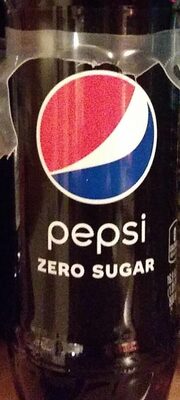
Pepsi Zero Sugar
Pepsi

Sprite Zero Sugar Lemon-Lime
Sprite

Diet Coke Caffeine Free - Bottles
Coke

Sprite Zero Sugar Lemon-Lime
Sprite

Diet Coke - 6pk/16.9 fl oz Bottles
Coke

Red Bull Sans Sucre
Red Bull

Lemonade
Minute Maid

Diet Pepsi
Pepsi

GREEN TEA CITRUS
Lipton

ZERO SUGAR
PEPSI

Sprite
Sprite
Showing up to 12 products from our database. Search all products.