Lecithin
Overview
Lecithin (E322) is a complex mixture of phospholipids — primarily phosphatidylcholine, phosphatidylethanolamine, and phosphatidylinositol — obtained commercially by water-degumming crude vegetable oils, most commonly soybean, sunflower, and rapeseed. Phospholipids are amphiphilic molecules: their hydrophilic phosphate head and hydrophobic fatty acid tails allow them to orient at oil-water interfaces and reduce interfacial tension, acting as highly effective natural emulsifiers. In food manufacturing, lecithin stabilises emulsions in chocolate (preventing fat bloom and reducing viscosity during conching), baked goods (improving dough extensibility and shelf life), margarine, instant foods, and infant formula, where it serves both emulsification and nutritional roles.
JECFA has assigned lecithin a not-specified ADI, reflecting its endogenous nature as a constituent of all cell membranes in the human body and the absence of any toxicological concern at food additive use levels (evaluated 1973 and confirmed in subsequent reviews). Phosphatidylcholine is a precursor to acetylcholine and choline, essential for neurotransmission, lipid transport, and membrane integrity. The European Food Safety Authority has not set a specific ADI; lecithin is authorised at quantum satis in virtually all EU food categories under Regulation (EC) No 1333/2008. Dietary exposure from food additive use is small relative to endogenous synthesis and dietary intake from eggs, meat, and legumes.
A relevant consideration for consumers is the source of lecithin: soy-derived lecithin may carry trace soy allergen proteins and must be declared on labels in the EU under allergen legislation, even though refined lecithin contains negligible soy protein and rarely triggers clinical reactions in soy-allergic individuals. Sunflower lecithin is preferred for soy-free and non-GMO formulations and commands a growing share of the market. Lecithin from GM-soy crops must be declared in jurisdictions with mandatory GM labelling. It is listed as safe by FDA under 21 CFR §184.1400 and is one of the most widely used and well-accepted emulsifiers in the global food supply.
Generated from verified JECFA, EFSA, and regulatory data. All numerical values are sourced from the WHO/FAO JECFA Combined Compendium and EFSA OpenFoodTox 3.0.
Safety Assessment
| Body | Acceptable Daily Intake (ADI) | Year |
|---|---|---|
| JECFA | Not specified — no concern at typical intakes · JECFA 1973 | 1973 |
| EFSA | — | — |
ADI = the amount of a substance a person can consume every day over a lifetime without appreciable health risk. Expressed as mg per kg body weight per day. Source: WHO/FAO JECFA Combined Compendium; EFSA OpenFoodTox 3.0.
Regulatory Status
| Jurisdiction | Status | Notes |
|---|---|---|
| United States | GRAS emulsifier | — |
| European Union | Approved; no ADI | — |
| Japan | Approved | — |
| South Korea | Approved (MFDS) | — |
| GB | FSA approved | — |
| VN | Approved | — |
| TH | Approved | — |
| IN | FSSAI approved | — |
| AE | Approved (GCC/GSO standards) | — |
| CN | Approved per GB 2760 | — |
Chemical Identity
- IUPAC name
- [(2R)-3-hexadecanoyloxy-2-[(9E,12E)-octadeca-9,12-dienoyl]oxypropyl] 2-(trimethylazaniumyl)ethyl phosphate
- CAS number
- 97281-47-5
- PubChem CID
- 16213884
Primary Sources
Products on Looksee containing Lecithin

Kirkland Almond non-dairy beverage
Kirkland

Whole Wheat Bread
Trader Joe's
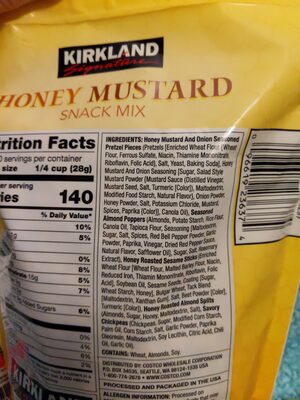
Honey Mustard Snack Mix
Kirkland

Goody Cao Bellarom
Bellarom

Original malted milk
Nestle

Chocolate Peanut Butter
Quest

Chocolate Chip Cookie Dough Bar
Kirkland

Cocoa Almond Spread
Trader Joe’s

Snack Packs Blueberry
belVita
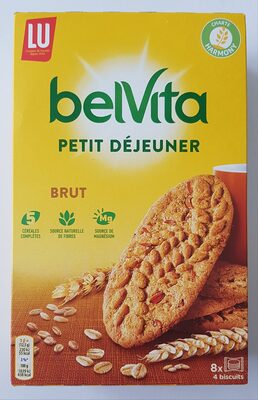
Belvita Brut & 5 céréales complètes
Lu

Snack on the Run! Tuna Salad & Crackers Original
Bumble Bee

Rice Krispies Treats Original
Kellogg's
Showing up to 12 products from our database. Search all products.