Sodium metabisulphite
Overview
Sodium metabisulphite (E223, sodium pyrosulphite) is an inorganic sulphite salt with the formula Na₂S₂O₅, produced by passing sulphur dioxide through a sodium hydroxide or sodium carbonate solution and then crystallising. In the presence of moisture it releases SO₂ and bisulphite ions, making it functionally equivalent to sulphur dioxide as a preservative and antioxidant. It is used to prevent oxidative browning in fresh-cut fruits and vegetables, to sanitise wine and brewing equipment, and as a preservative in dried foods, seafood, and pharmaceutical preparations.
JECFA evaluates sodium metabisulphite under the same group ADI established for sulphur dioxide and sulphite salts: 0.7 mg/kg body weight per day expressed as SO₂ equivalents (evaluated 1999). One gram of sodium metabisulphite releases approximately 0.67 g of SO₂, so use levels are calibrated accordingly. The European Food Safety Authority's 2016 comprehensive re-evaluation of the E220–E228 sulphite group confirmed this ADI and noted that combined dietary exposure from all sulphite-containing foods should be assessed cumulatively, not per-additive, because all share identical metabolic pathways and health endpoints.
Sodium metabisulphite poses the same sensitisation risk as all sulphite compounds: sulphite-sensitive individuals, particularly asthmatics, can experience bronchospasm from foods and beverages containing it. EU Regulation (EC) No 1333/2008 mandates "contains sulphites" labelling above 10 mg/kg or 10 mg/L SO₂ equivalents. In the United States, sodium metabisulphite is prohibited from use on fresh fruits and vegetables intended to be served raw or presented as fresh (following a 1986 FDA ban triggered by severe asthmatic reactions), though it remains approved for other food categories. Consumers with sulphite sensitivity should check ingredient labels on dried fruits, shrimp, wine, and processed potato products.
Generated from verified JECFA, EFSA, and regulatory data. All numerical values are sourced from the WHO/FAO JECFA Combined Compendium and EFSA OpenFoodTox 3.0.
Safety Assessment
| Body | Acceptable Daily Intake (ADI) | Year |
|---|---|---|
| JECFA | 0–0.7 mg/kg body weight/day (as SO₂ equivalents) · JECFA 1967(Expressed as as SO₂ equivalents.) | 1967 |
| EFSA | — | — |
ADI = the amount of a substance a person can consume every day over a lifetime without appreciable health risk. Expressed as mg per kg body weight per day. Source: WHO/FAO JECFA Combined Compendium; EFSA OpenFoodTox 3.0.
Regulatory Status
| Jurisdiction | Status | Notes |
|---|---|---|
| United States | GRAS with limits; allergen disclosure required | — |
| European Union | Approved with usage limits; allergen disclosure | — |
| Japan | Approved with usage limits | — |
| South Korea | Approved (MFDS); allergen disclosure | — |
| GB | FSA approved with usage limits; allergen disclosure | — |
| VN | Approved with usage limits | — |
| TH | Approved with usage limits | — |
| IN | FSSAI approved with category limits | — |
| AE | Approved (GCC/GSO standards) | — |
| CN | Approved per GB 2760 | — |
Chemical Identity
- CAS number
- 7681-57-4
- PubChem CID
- 656671
Primary Sources
Products on Looksee containing Sodium metabisulphite

GARBANZO GRÃO DE BICO
HACENDADO

Haricots blancs
Freshona

Zero No Sugar Sandwich Cookies
Gullón

100% juice from concentrate
Mott's

Mini Bites Quinoa & Chía
Gullón

Dried Mangoes
Kirkland Signature

Cuetara Digesta Light 200G Marie Cookies
Cuétara
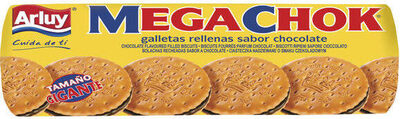
Megachok
arluy

Galleta María
Gullón

Animal Crackers
Member's Mark

PURÉ
HACENDADO

María dorada 0%
Hacendado
Showing up to 12 products from our database. Search all products.