Sodium nitrate
Overview
Sodium nitrate (E251) is an inorganic salt that functions primarily as a nitrite reservoir in cured and fermented meat products. Unlike sodium nitrite, which acts directly, nitrate must first be reduced to nitrite by endogenous bacterial nitroreductase enzymes during the slow fermentation or maturation process. This makes nitrate the preferred curing agent for long-matured products such as dry-cured ham (prosciutto, jamón serrano), certain hard salamis, and aged cheeses, where a sustained slow release of active nitrite over weeks or months is technologically desirable. Sodium nitrate also occurs naturally at significant concentrations in green leafy vegetables including spinach, rocket, and beetroot.
JECFA has established a group ADI of 3.7 mg/kg body weight per day for sodium nitrate and potassium nitrate (E252), evaluated in 2002. This ADI is substantially more generous than the nitrite ADI because nitrate itself has low acute toxicity; the toxicological concern arises from its in vivo reduction to nitrite and subsequent N-nitrosamine formation. The European Food Safety Authority's 2017 re-evaluation (EFSA Journal 15:4786) noted that dietary nitrate from vegetables — the dominant exposure source — is associated with beneficial cardiovascular effects (via the nitrate-nitrite-nitric oxide pathway) and that food additive use represents only a minor contributor to total nitrate intake in most population groups.
Sodium nitrate is authorised under EU Regulation (EC) No 1333/2008 at maximum levels of 150–300 mg/kg in cured meats, and under FDA 21 CFR §172.170 in the United States. EFSA's exposure assessment confirmed that additive-derived nitrate exposure is generally well below the ADI for average consumers, though high consumers of cured and processed meats may approach it. The paradox that vegetable-derived nitrate is considered beneficial while additive-derived nitrate is approached cautiously reflects the co-presence of protective polyphenols and antioxidants in vegetables that inhibit N-nitrosamine formation in vivo.
Generated from verified JECFA, EFSA, and regulatory data. All numerical values are sourced from the WHO/FAO JECFA Combined Compendium and EFSA OpenFoodTox 3.0.
Safety Assessment
| Body | Acceptable Daily Intake (ADI) | Year |
|---|---|---|
| JECFA | 0–3.7 mg/kg body weight/day (as nitrate ion) · JECFA 2003(Expressed as as nitrate ion.) | 2003 |
| EFSA | — | — |
ADI = the amount of a substance a person can consume every day over a lifetime without appreciable health risk. Expressed as mg per kg body weight per day. Source: WHO/FAO JECFA Combined Compendium; EFSA OpenFoodTox 3.0.
Chemical Identity
- IUPAC name
- sodium nitrate
- CAS number
- 7631-99-4
- PubChem CID
- 24268
Primary Sources
Products on Looksee containing Sodium nitrate
Beans & Franks
Kroger
Microwaveable Beans And Franks In Tomato Sauce
Kroger
Chicken & Sausage Gumbo
Fresh Foods Market
Cooked Ham
Heritage Farm
Reduced Fat Vienna Sausage
Kroger
Italian Sausage Tortelloni
Fresh Foods Market
Traditional Lower Sodium Turkey Breast
Kroger
Pozole, Pork And Hominy Soup
Goya
Cobb salad kit for one
Kroger
Beef Franks, Hickory Wood Smoked
John F. Martin & Sons
Pepperoni Pizzeria Bites
Farmrich
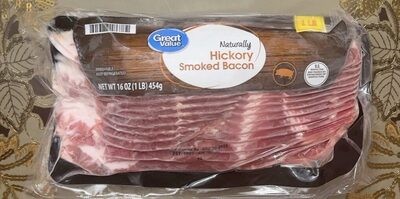
Hickory Smoked Bacon
Kirkland
Showing up to 12 products from our database. Search all products.