Sodium citrates
Overview
Sodium citrates (E331) encompass three compounds — monosodium citrate, disodium citrate, and trisodium citrate — differing in their degree of sodium neutralisation of citric acid. They function primarily as buffering agents (maintaining stable pH by resisting acidification or alkalisation), chelating agents that sequester divalent metal ions such as calcium and magnesium, and emulsifying salts in processed cheese where they displace protein-bound calcium, allowing casein micelles to swell and creating a smooth, homogeneous melt. In beverages, sodium citrates are used to buffer citric acid and modify the sharp sour note to a more rounded, pleasant acidity. They also appear in pharmaceutical formulations and as anticoagulant preservatives in blood collection tubes.
JECFA has assigned sodium citrates a not-specified ADI, evaluated together with citric acid as the same metabolically inactive buffering system (evaluated 1973). The citrate anion is a normal TCA cycle intermediate; the sodium cation is handled by standard renal clearance mechanisms. No toxicological concern exists at food use concentrations. EFSA has similarly not established a specific ADI, and EU Regulation (EC) No 1333/2008 authorises sodium citrates at quantum satis in most food categories. FDA GRAS status applies under 21 CFR §182.1751 for trisodium citrate.
The principal consumer concern with sodium citrates is their sodium content, which contributes to total dietary sodium intake in individuals consuming large quantities of processed foods that use sodium citrate as a buffering or emulsifying agent. In processed cheese, sodium citrates can contribute approximately 400–600 mg sodium per 100 g product, which is relevant for individuals managing hypertension or following sodium-restricted diets. For this reason, potassium citrate is sometimes used as a functional equivalent in reduced-sodium formulations, providing identical buffering and chelating properties without the sodium load.
Generated from verified JECFA, EFSA, and regulatory data. All numerical values are sourced from the WHO/FAO JECFA Combined Compendium and EFSA OpenFoodTox 3.0.
Safety Assessment
| Body | Acceptable Daily Intake (ADI) | Year |
|---|---|---|
| JECFA | Not specified — no concern at typical intakes · JECFA 1973 | 1973 |
| EFSA | — | — |
ADI = the amount of a substance a person can consume every day over a lifetime without appreciable health risk. Expressed as mg per kg body weight per day. Source: WHO/FAO JECFA Combined Compendium; EFSA OpenFoodTox 3.0.
Primary Sources
Products on Looksee containing Sodium citrates
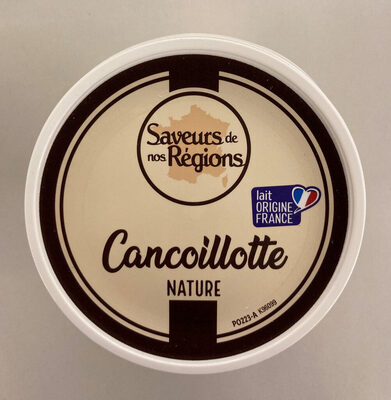
Cancoillotte IGP Nature
Lidl

Multigrain Bread
Trader Joe's

Guacamole
Hacendado
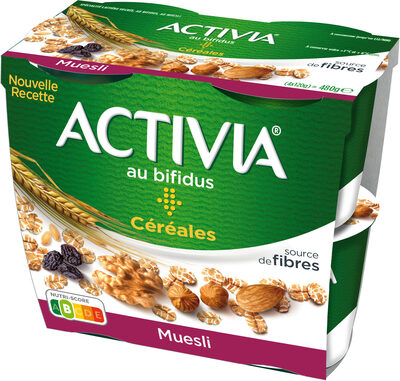
Activia bifidus cereales 120 g x 4 muesli
Activia

Zero sugar mixed berry juice
Ocean spray
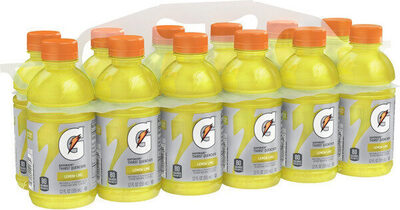
Gatorade Thirst Quencher Lemon Lime
Gatorade

Fruit Punch
Gatorade

Diet Pepsi
Pepsi

Ice tea
Lipton

Fuze Tea Peach 1 Can
FUZE TEA

Strawberry & Apple Oatmeal Crumble Bars
Nature's Bakery

CHUNKY BLUE CHEESE YOGURT DRESSING & DIP
Bolthouse Farms
Showing up to 12 products from our database. Search all products.