Cyclamate
Overview
Cyclamate (E952, cyclamic acid, cyclohexylsulfamic acid) is a synthetic non-nutritive sweetener approximately 30–50 times sweeter than sucrose, with a clean, non-bitter taste profile that makes it complementary in blends with saccharin (which has a bitter aftertaste) and aspartame. It was discovered serendipitously in 1937 by Michael Sveda at the University of Illinois and was widely used in North America until 1969, when the FDA banned cyclamate following a study showing bladder tumours in rats fed very high doses of a 10:1 saccharin:cyclamate mixture — 350 mg/kg/day, equivalent to a human drinking approximately 350 diet soft drinks per day. Subsequent extensive re-evaluation has failed to reproduce carcinogenicity at physiological doses, and the 1969 ban has been widely criticised as scientifically unjustified.
JECFA has maintained an ADI of 11 mg/kg body weight per day for cyclamate (evaluated 1993 and 2016), based on long-term toxicology studies demonstrating no carcinogenicity or reproductive toxicity at the doses associated with food use. The critical metabolic concern involves intestinal bacterial conversion of cyclamate to cyclohexylamine by some individuals ("converters"), at a frequency of approximately 20–30% in adults. Cyclohexylamine at high doses caused testicular toxicity in rats, leading JECFA to derive the cyclamate ADI to account for worst-case conversion in all individuals. The European Food Safety Authority completed a full re-evaluation in 2000 and confirmed the 11 mg/kg ADI. Cyclamate is not approved in the United States or Japan as a food additive; the FDA's 1969 ban remains in effect despite petition requests for reinstatement.
Cyclamate is authorised in over 100 countries, including all EU member states under Regulation (EC) No 1333/2008 (at 250–1,500 mg/kg depending on food category), Australia, Canada, and most of Asia. It is commonly blended with saccharin in a 10:1 cyclamate:saccharin ratio to provide synergistic sweetness enhancement while each compound masks the other's aftertaste. The regulatory situation creates a globalised food industry anomaly where the same blended sweetener tablet sold under a single brand may use cyclamate in Europe and a substitute sweetener in the United States.
Generated from verified JECFA, EFSA, and regulatory data. All numerical values are sourced from the WHO/FAO JECFA Combined Compendium and EFSA OpenFoodTox 3.0.
Safety Assessment
| Body | Acceptable Daily Intake (ADI) | Year |
|---|---|---|
| JECFA | 0–11 mg/kg body weight/day · JECFA 1967 | 1967 |
| EFSA | — | — |
ADI = the amount of a substance a person can consume every day over a lifetime without appreciable health risk. Expressed as mg per kg body weight per day. Source: WHO/FAO JECFA Combined Compendium; EFSA OpenFoodTox 3.0.
Regulatory Status
| Jurisdiction | Status | Notes |
|---|---|---|
| United States | FDA banned in food since 1969 | — |
| European Union | Approved with strict usage limits | — |
| Japan | Banned for food use | — |
| South Korea | Approved with usage limits (MFDS) | — |
| GB | FSA approved with strict usage limits | — |
| VN | Approved with usage limits | — |
| TH | Approved with usage limits | — |
| IN | FSSAI approved with category limits | — |
| AE | Approved (GCC/GSO standards) | — |
| CN | Approved per GB 2760 | — |
Scientific Notes
Banned in the United States.
- •US FDA ban(1969)
Chemical Identity
- IUPAC name
- cyclohexylsulfamic acid
- CAS number
- 100-88-9
- PubChem CID
- 7533
Primary Sources
Products on Looksee containing Cyclamate

Ferme et fondant
Nestlé

Coca-Cola Zero Azúcar Zero Cafeína
Coca-Cola

Zero calories Zero caffeine Zerosugar
Coca-Cola

Coca Cola Zero
Coca-Cola

Coca-Cola Zero 500ml черная крышка
Coca-Cola
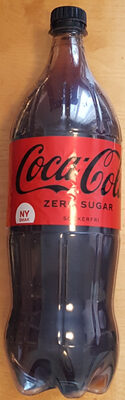
Zero Sugar
Coca-Cola

Cola zero azúcar zero cafeína
Hacendado

Coca-Cola Zero
Coca Cola

Süßstoff
Lidl

Edulcorante de Mesa a Base de Ciclamato y Sacarina
Hacendado
Showing up to 12 products from our database. Search all products.