Xylitol
Overview
Xylitol (E967) is a five-carbon sugar alcohol found naturally in birch bark, raspberries, plums, and cauliflower, and produced commercially by hydrogenation of xylose derived from hardwood hemicellulose or agricultural by-products (corn cobs, sugarcane bagasse). At approximately 100% of the sweetness of sucrose with a pronounced cooling effect from its negative heat of solution (−153 kJ/mol), xylitol is used in chewing gum, mints, toothpaste, oral care products, and sugar-free confectionery. It is the sugar replacer with the most thoroughly documented dental health benefits: extensive clinical evidence, including multiple Cochrane-reviewed systematic meta-analyses, demonstrates that regular xylitol consumption at 5–10 g/day reduces S. mutans counts in plaque, inhibits acid production in dental biofilm, and reduces the incidence of dental caries in children and adults. Xylitol is non-fermentable by oral cariogenic bacteria because they lack the pentose phosphotransferase transport system for xylitol.
JECFA assigned xylitol a not-specified ADI (evaluated 1983), as it is a normal intermediate in human carbohydrate metabolism via the pentose phosphate pathway and is consumed at gram quantities in many natural foods without adverse effect. Xylitol provides approximately 2.4 kcal/g. It has a very low glycaemic index (approximately 7–13) and minimal insulin response, making it suitable for use in diabetic food products. The primary safety consideration is osmotic laxation: consumption above 20–30 g/day commonly causes bloating, gas, and diarrhoea, with symptoms typically resolving within days of dose reduction or upon adaptation. Regular consumers develop increased colonic tolerance through microbiota adaptation over several weeks.
Xylitol is authorised under EU Regulation (EC) No 1333/2008 and as GRAS in the United States under FDA 21 CFR §172.395. The mandatory EU laxative warning ("excessive consumption may produce laxative effects") applies to xylitol-containing products. A critically important safety caveat not relevant to human consumers but essential for pet owners: xylitol is severely toxic to dogs, causing rapid hypoglycaemia and potentially fatal hepatic necrosis at doses as low as 0.1 g/kg body weight. This animal-specific toxicity has driven regulatory and public health guidance requiring clear labelling on xylitol-containing products in multiple jurisdictions, and is among the most consequential species-specific food additive safety divergences in regulatory history.
Generated from verified JECFA, EFSA, and regulatory data. All numerical values are sourced from the WHO/FAO JECFA Combined Compendium and EFSA OpenFoodTox 3.0.
Safety Assessment
| Body | Acceptable Daily Intake (ADI) | Year |
|---|---|---|
| JECFA | Not specified — no concern at typical intakes · JECFA 1983 | 1983 |
| EFSA | — | — |
ADI = the amount of a substance a person can consume every day over a lifetime without appreciable health risk. Expressed as mg per kg body weight per day. Source: WHO/FAO JECFA Combined Compendium; EFSA OpenFoodTox 3.0.
Chemical Identity
- IUPAC name
- (2R,4S)-pentane-1,2,3,4,5-pentol
- CAS number
- 488-81-3
- PubChem CID
- 6912
Primary Sources
Products on Looksee containing Xylitol
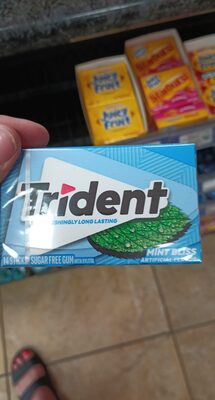
Trident gum mint bliss sugar free1x14 pc
Trident

Spearmint Gum
Pür

Pur bubble gum
Pür gum
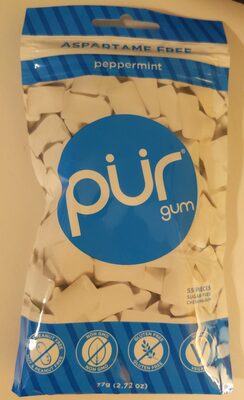
Peppermint Gum
pür gum

Cinnamon Gum
Pür Gum
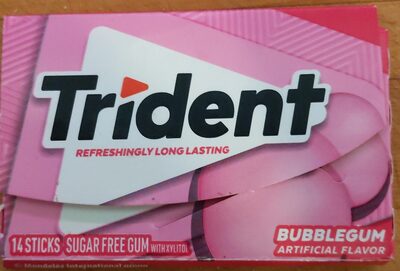
Trident Bubblegum
Trident

Chocolate Mint Gum
Pür

Jumbo Gum
Pür

Protein Bar Peanut Butter
Barebells
Dental gum
Lotus Brands Inc.
Cool mint flavor dental gum, cool mint
Eco-Dent

Mint Flavored Gum
Hyperbon
Showing up to 12 products from our database. Search all products.