Brand
Lakewood
Organic Pure Aloe

Organic Pure Carrot Juice
Organic Pure Cranberry Fresh Pressed Juice
Organic Super Veggie Juice
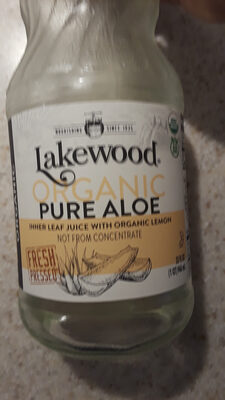
Pure Aloe
Pure Lime Juice

Pure Pink Grapefruit Juice
Pure Whole Aloe Leaf Juice
Coconut
Lakewood, fresh pressed, pure aloe vera with lemon, pure aloe whole leaf
Organic Golden Roots Juice

Organic pure lemon

Pure Cranberry Juice

Pure Cranberry
Lakewood basics, 100% juice
Organic pure fruit blend

Organic Super Beet Juice
Pure blueberry fresh pressed juice
Organic Super Veggie Juice
Organic kale juice blend

Organic Pure Pineapple
Pomegranate blend with blueberry (5%) organic fruit juice nectar, pomegranate blend
Pure fruit pomegranate blend with cranberry, pomegranate

Pure Pomegranate
Organic fruit juice nectar+
Organic pure concord grape juice
Pure pomegranate fresh pressed juice
Tart cherry juice

Lakewood Organic Pure Aloe Gel
Lakewood basics, cold pressed organic drink
100% fruit juice blend
Harvest red fresh pressed juice

ORGANIC PURE TART CHERRY

Pure Black Cherry Juice

Pure pomegranate juice
100% Organic Fruit Juice Blend, Pomegranate & Black Cherry

Organic biodynamic juice
About Lakewood on Looksee
Looksee tracks 37 products from Lakewood in the catalogue. Across the 35 scored products, the average Looksee Score is 75/100 (Good).
Score breakdown: Excellent (18), Good (10), Poor (5), Fair (2). Highest-scoring: Organic Pure Aloe at 100/100. Lowest-scoring: Pure pomegranate juice at 38/100.
Nutri-Score grades in this catalogue: E (9), A (7), B (7), C (5), D (5).
Processing level (NOVA classification): Group 1 — Unprocessed or minimally processed (24), Group 3 — Processed food (2), Group 4 — Ultra-processed food (1).
Category: food (37).
Every Looksee Score combines three independently validated signals into one 0–100 number, where higher is always better: Nutri-Score (nutrition quality — calories, saturated fat, sugar, and salt weighed against fibre and protein, up to 40 points), NOVA classification (degree of industrial processing, from unprocessed to ultra-processed, up to 35 points), and additive risk (a risk-weighted penalty for ingredients flagged by EFSA or peer-reviewed studies, up to 25 points). If a pillar has no data for a given product, it is dropped from both the numerator and denominator so the product is never penalised for a data gap. See the full scoring methodology →