Brand
Ragu
Homestyle Pasta Sauce
Old World Style Traditional Sauce
Old World Style Traditional Sauce
Organic traditional sauce
Pasta sauce
Spicy Italian Style Sauce
Homestyle thick & hearty mushroom pasta sauce
Bold And Flavorful Pasta Sauce
Chunky Super Vegetable Primavera Sauce
Light tomato & basil sauce, light tomato & basil
Pasta Sauce
Pasta Sauce
Sauce
Sauce
Sauce
Pasta sauce

Chunky Tomato, Garlic & Onion Sauce
Homestyle thick & hearty four cheese pasta sauce

Mama's special chunky garden sauce
Traditional Pizza Quick Snack Sauce
Cheese Creations Light Parmesan Alfredo Sauce
Creamy mozzarella sauce
Creamy Tomato Sauce
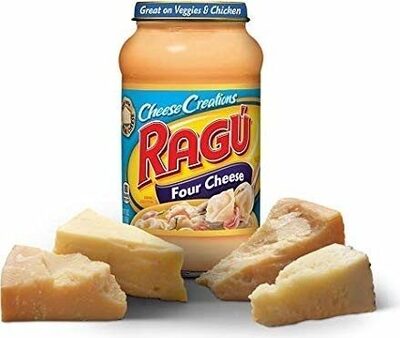
Four Cheese Alfredo Sauce

Old World Style Sauce Flavored with Meat
Parmesan & romano sauce

Pizza Homemade Style Sauce
Ragu, old world style, traditional sauce
Sauce
Sauce flavored with meat
Sauce flavored with meat, meat

Tomato, Garlic & Onion Sauce

Classic Alfredo Sauce
About Ragu on Looksee
Looksee tracks 33 products from Ragu in the catalogue. Across the 33 scored products, the average Looksee Score is 58/100 (Fair).
Score breakdown: Fair (17), Good (15), Poor (1). Highest-scoring: Homestyle Pasta Sauce at 77/100. Lowest-scoring: Classic Alfredo Sauce at 35/100.
Nutri-Score grades in this catalogue: A (14), C (12), B (5), D (1).
Processing level (NOVA classification): Group 4 — Ultra-processed food (25), Group 3 — Processed food (8).
Category: food (33).
Every Looksee Score combines three independently validated signals into one 0–100 number, where higher is always better: Nutri-Score (nutrition quality — calories, saturated fat, sugar, and salt weighed against fibre and protein, up to 40 points), NOVA classification (degree of industrial processing, from unprocessed to ultra-processed, up to 35 points), and additive risk (a risk-weighted penalty for ingredients flagged by EFSA or peer-reviewed studies, up to 25 points). If a pillar has no data for a given product, it is dropped from both the numerator and denominator so the product is never penalised for a data gap. See the full scoring methodology →