Citric acid
Overview
Citric acid (E330) is the most widely used acidulant in the food and beverage industry, occurring naturally as an intermediate of the tricarboxylic acid (Krebs) cycle in virtually all aerobic organisms. Commercially produced by submerged fermentation of glucose or sucrose using Aspergillus niger strains, it performs multiple functional roles simultaneously: acidification to control pH and inhibit microbial growth, flavour enhancement providing a clean tart taste, chelation of metal ions that would otherwise catalyse oxidative rancidity (acting synergistically with tocopherols and BHA/BHT), and stabilisation of colour in fruit-based products. It is found in soft drinks, confectionery, jams, dairy products, canned vegetables, wine, pharmaceutical tablets, and personal care products.
JECFA has assigned citric acid a not-specified ADI based on its role as a normal metabolic intermediate present at micromolar concentrations in all human cells and the complete absence of toxicological concern at food use levels (evaluated 1973). The Krebs cycle processes citric acid continuously at rates orders of magnitude higher than any dietary intake from food additives. The European Food Safety Authority has not established a specific ADI, and EU Regulation (EC) No 1333/2008 authorises citric acid at quantum satis levels in most food categories. In the United States it holds GRAS status under FDA 21 CFR §182.1033.
Despite its exceptional safety profile, citric acid at high concentrations in acidic foods and beverages causes dental enamel erosion through direct acid demineralisation — a concern documented extensively in the dental literature for frequent consumption of soft drinks, energy drinks, and sport beverages with pH below 4.0. This is a physical effect on the tooth surface rather than a systemic toxicological concern, but it represents a genuinely important oral health consideration for regular consumers of high-citric-acid beverages. The enamel erosion risk is additive with other dietary acids and is exacerbated by low salivary buffering capacity.
Generated from verified JECFA, EFSA, and regulatory data. All numerical values are sourced from the WHO/FAO JECFA Combined Compendium and EFSA OpenFoodTox 3.0.
Safety Assessment
| Body | Acceptable Daily Intake (ADI) | Year |
|---|---|---|
| JECFA | Not specified — no concern at typical intakes · JECFA 1973 | 1973 |
| EFSA | — | — |
ADI = the amount of a substance a person can consume every day over a lifetime without appreciable health risk. Expressed as mg per kg body weight per day. Source: WHO/FAO JECFA Combined Compendium; EFSA OpenFoodTox 3.0.
Chemical Identity
- IUPAC name
- 2-hydroxypropane-1,2,3-tricarboxylic acid
- CAS number
- 77-92-9
- PubChem CID
- 311
Primary Sources
Products on Looksee containing Citric acid

Tomato Sauce
Hunt's

Chips de lentilles saveur oignons caramélisés
Vico

Organic Bread
Oroweat

SPORTS DRINK
BODYARMOR
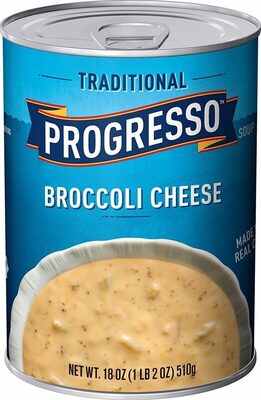
Traditional
Progresso

Fruit Bars Strawberry
Outshine
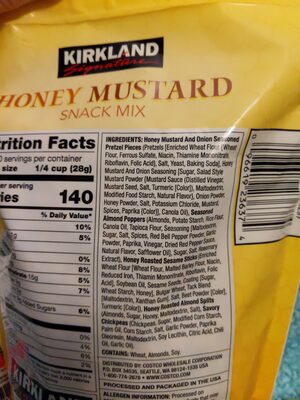
Honey Mustard Snack Mix
Kirkland

Cottage Cheese Small Curd 4% Milkfat Minimum
Great Value

Sprite Zero Sugar Lemon-Lime
Sprite

Cheetos Baked Flamin' Hot Flavored
Cheetos

Diet Pepsi
Pepsi
Brunch Bites
Farm Rich
Showing up to 12 products from our database. Search all products.