Sodium phosphates
Overview
Sodium phosphates (E339) encompass monosodium phosphate (NaH₂PO₄), disodium phosphate (Na₂HPO₄), and trisodium phosphate (Na₃PO₄), which differ in pH buffering character and application suitability. They are used as buffering agents, emulsifying salts in processed cheese (where they complex with calcium to allow casein rehydration and uniform melt), moisture retention agents in processed meats, leavening agents in baking (monosodium phosphate reacts with sodium bicarbonate to release CO₂), and pH adjustment agents across a wide range of processed foods. Trisodium phosphate has also historically been used as a carcass antimicrobial rinse in poultry processing.
JECFA evaluates sodium phosphates under the same group ADI as phosphoric acid: 70 mg/kg body weight per day expressed as phosphorus (evaluated 1982). Because phosphorus is an essential dietary mineral with a recommended daily intake of approximately 700 mg for adults, this ADI is expressed to capture total phosphorus intake from all sources — food additive use is additive to naturally occurring phosphorus from meat, dairy, legumes, and grains. High dietary phosphate is of clinical concern primarily in patients with chronic kidney disease, whose impaired phosphate excretion capacity means even modest dietary phosphate elevation can cause hyperphosphataemia, secondary hyperparathyroidism, and vascular calcification. Regulators have noted the challenge of protecting this vulnerable subpopulation within a framework built around normal renal function.
Sodium phosphates are authorised under EU Regulation (EC) No 1333/2008 with specific maximum levels by food category (e.g., 88 g/kg as P₂O₅ in processed cheese). FDA has GRAS-listed various sodium phosphate forms under 21 CFR §182.1751. The sodium content of sodium phosphates contributes to dietary sodium load in high consumers of processed cheese, processed meats, and fast food — applications where these additives are heavily used and where sodium from multiple sources already tends to accumulate. The EU has been progressively tightening maximum phosphate levels in response to EFSA dietary exposure assessments showing high-consumer exceedance of the ADI.
Generated from verified JECFA, EFSA, and regulatory data. All numerical values are sourced from the WHO/FAO JECFA Combined Compendium and EFSA OpenFoodTox 3.0.
Safety Assessment
| Body | Acceptable Daily Intake (ADI) | Year |
|---|---|---|
| JECFA | 0–70 mg/kg body weight/day (as phosphorus) · JECFA 1982(Expressed as as phosphorus.) | 1982 |
| EFSA | — | — |
ADI = the amount of a substance a person can consume every day over a lifetime without appreciable health risk. Expressed as mg per kg body weight per day. Source: WHO/FAO JECFA Combined Compendium; EFSA OpenFoodTox 3.0.
Primary Sources
Products on Looksee containing Sodium phosphates

Hipro crème dessert caramel
Danone
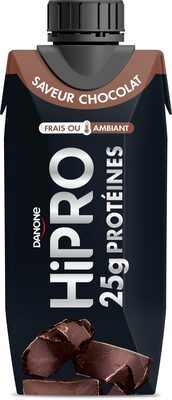
HiPRO Chocolat
Danone

Apple Cinnamon Cheerios Cereal
General Mills

Reese's Puffs
General Mills

Honey Nut Crispy Oats
Millville

Cinnamon Toast Crunch
General Mills

Frosted Lemon Cherios
General Mills
Boneless Chicken Bites
Rich Products Corporation

Nescafe Espresso Roast
Nestlé

Buldak HOT Chicken Flavour Ramen Cheese Flavour
samyang

Cinnamon Toast Crunch
General Mills

Cinnamon Toast Crunch Cereal
General Mills
Showing up to 12 products from our database. Search all products.