Carboxymethylcellulose (CMC)
Overview
Carboxymethylcellulose (E466, CMC, sodium carboxymethyl cellulose, cellulose gum) is a synthetic derivative of cellulose produced by treating alkaline cellulose with chloroacetic acid, introducing carboxymethyl groups onto the glucose units of the cellulose backbone. The degree of substitution (DS, typically 0.6–0.95) and molecular weight determine its functional properties. CMC dissolves readily in cold or hot water to form stable, pseudoplastic solutions with high viscosity at low concentrations, providing thickening, water-binding, and stabilisation functions. It is used in ice cream (preventing ice crystal growth, improving body), gluten-free baked goods, diet foods, beverages, processed cheese, sauces, and as a tablet binder in pharmaceuticals — where it is simultaneously authorised as an excipient under the name croscarmellose sodium.
JECFA has assigned CMC a not-specified ADI, based on its non-digestibility and the absence of systemic absorption or toxicological concern at food use concentrations (evaluated 1989). Like other non-digestible polysaccharides, CMC passes largely intact through the small intestine and undergoes variable colonic fermentation. Importantly, CMC shares the same mechanistic concern as polysorbate 80: the same research group (Chassaing et al.) demonstrated that dietary CMC at concentrations equivalent to food additive use levels disrupted murine gut microbiota, reduced colonic mucus thickness, promoted bacterial encroachment on the epithelium, and exacerbated colitis in genetically susceptible mice. A small human pilot trial (Viennois et al., Gastroenterology 2022) subsequently showed that CMC consumption altered faecal microbiota composition and reduced secreted mucus in healthy volunteers, providing the first direct human evidence for this mechanism.
CMC is authorised under EU Regulation (EC) No 1333/2008 at quantum satis in most food categories and holds GRAS status in the US under FDA 21 CFR §182.1745. The regulatory status has not changed in response to the microbiome research, but several food manufacturers have voluntarily removed CMC from reformulated products in the clean-label movement. EFSA began a re-evaluation of CMC as part of its systematic re-assessment of approved food additives; the timeline for a completed opinion remained ongoing as of 2024. Consumers with inflammatory bowel conditions or microbiome-related concerns may wish to consider products formulated without CMC pending the outcome of human mechanistic studies.
Generated from verified JECFA, EFSA, and regulatory data. All numerical values are sourced from the WHO/FAO JECFA Combined Compendium and EFSA OpenFoodTox 3.0.
Safety Assessment
| Body | Acceptable Daily Intake (ADI) | Year |
|---|---|---|
| JECFA | Not specified — no concern at typical intakes · JECFA 1989 | 1989 |
| EFSA | — | — |
ADI = the amount of a substance a person can consume every day over a lifetime without appreciable health risk. Expressed as mg per kg body weight per day. Source: WHO/FAO JECFA Combined Compendium; EFSA OpenFoodTox 3.0.
Regulatory Status
| Jurisdiction | Status | Notes |
|---|---|---|
| United States | GRAS with usage limits | Emerging gut-microbiome literature on synthetic emulsifiers. |
| European Union | Approved with usage limits | — |
| Japan | Approved with usage limits | — |
| South Korea | Approved (MFDS) | — |
| GB | FSA approved with usage limits | — |
| VN | Approved with usage limits | — |
| TH | Approved with usage limits | — |
| IN | FSSAI approved with category limits | — |
| AE | Approved (GCC/GSO standards) | — |
| CN | Approved per GB 2760 | — |
Primary Sources
Products on Looksee containing Carboxymethylcellulose (CMC)

Protein Thin Bagels
Warburtons

Black Bean & Monterey Jack Cheese Burrito in a Flour Tortilla
Trader Joe's
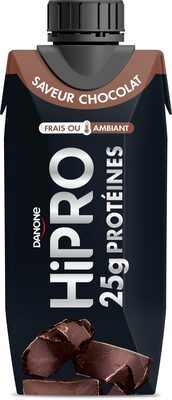
HiPRO Chocolat
Danone

PROTEIN Original Tortilla Wraps
L'OVEN FRESH

High Protein Pudding Vanille
Lidl

Soft Pittas
Warburtons

Gluten Free Spinach Herb
Mission
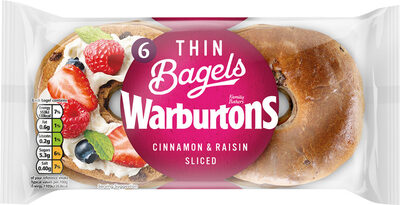
Thin Bagels
Warburtons

DOUBLESHOT ENERGY
STARBUCKS

Sun-Dried Tomato wrap
L'Oven Fresh
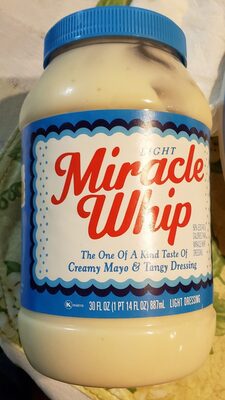
Light Miracle Whip
Miracle Whip
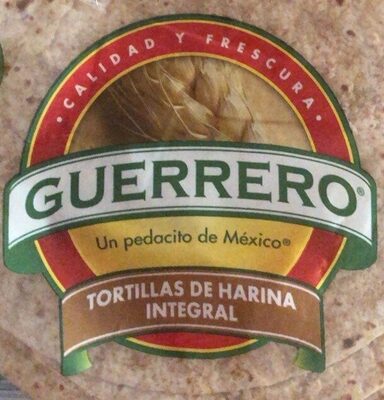
Whole Wheat Flour Tortilla
Guerrero
Showing up to 12 products from our database. Search all products.