Glycerol
Overview
Glycerol (E422, glycerine, propane-1,2,3-triol) is a trihydroxy sugar alcohol that is a central metabolic intermediate in all living organisms — it forms the backbone of triglycerides, phospholipids, and glycolipids. Commercially produced as a by-product of biodiesel manufacture (transesterification of vegetable oils) or soap production (saponification), food-grade glycerol is a clear, sweet-tasting, viscous liquid fully miscible with water and alcohols. In food manufacturing it functions as a humectant (retaining moisture to prevent drying out in confectionery, baked goods, and dried fruit), plasticiser (maintaining softness in edible coatings and gums), solvent carrier for food colours and flavourings, and sweetener providing approximately 4.3 kJ/g with minimal glycaemic response.
JECFA has assigned glycerol a not-specified ADI, reflecting its status as a normal endogenous metabolite completely integrated into intermediary metabolism: excess glycerol is phosphorylated to glycerol-3-phosphate and enters gluconeogenesis or lipogenesis depending on energy status (evaluated 1975). At pharmacological doses used therapeutically (e.g., intravenous glycerol for cerebral oedema), adverse effects including haemolysis and renal stress can occur, but these are irrelevant at food additive concentrations. The European Food Safety Authority has confirmed the not-specified ADI position; no numerical limit is scientifically justifiable.
Glycerol is authorised under EU Regulation (EC) No 1333/2008 at quantum satis in most food categories and is GRAS-listed by the FDA under 21 CFR §182.1320. As both a food additive and an approved excipient in pharmaceutical formulations, its safety profile is among the most thoroughly documented of any substance used in food manufacturing. It is metabolised to glucose at approximately the same caloric density as carbohydrate but with negligible insulin stimulation, making it useful in diabetic and low-carbohydrate food formulations. Its sweet taste, approximately 60% as sweet as sucrose, contributes to palatability without the regulatory complexity of high-intensity sweeteners.
Generated from verified JECFA, EFSA, and regulatory data. All numerical values are sourced from the WHO/FAO JECFA Combined Compendium and EFSA OpenFoodTox 3.0.
Safety Assessment
| Body | Acceptable Daily Intake (ADI) | Year |
|---|---|---|
| JECFA | Not specified — no concern at typical intakes · JECFA 1977 | 1977 |
| EFSA | — | — |
ADI = the amount of a substance a person can consume every day over a lifetime without appreciable health risk. Expressed as mg per kg body weight per day. Source: WHO/FAO JECFA Combined Compendium; EFSA OpenFoodTox 3.0.
Chemical Identity
- IUPAC name
- propane-1,2,3-triol
- CAS number
- 56-81-5
- PubChem CID
- 753
Primary Sources
Products on Looksee containing Glycerol

HIGH PROTEIN WRAPS
Snack Day

Seeded
Warburtons
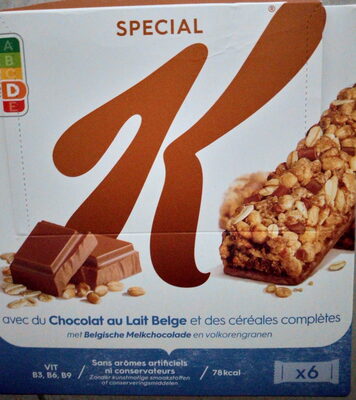
Special K Chocolat au Lait
Kellogg's

MOELLEUX CHOCOLAT NOIX
Gerblé

belVita Moelleux Fruits Rouges
belVita

belVita MOELLEUX GOÛT CHOCO-NOISETTE CHOCO-HAZELNOOTSMAAK
belVita

Moelleux chocolat
Belvita

Fish Oil
Kirkland

10 Wraps Blé Nature Extra Moelleuses
Old El Paso

Protein Nut Bar Fruit & Chocolate
Nature Valley

Built Puff
Built

8 Tortillas - Blé nature
General Mills
Showing up to 12 products from our database. Search all products.