Disodium inosinate
Overview
Disodium inosinate (E631, disodium 5-inosinate, disodium IMP) is the disodium salt of inosine 5-monophosphate (IMP), a purine nucleotide that accumulates rapidly in muscle tissue post-mortem through AMP deaminase activity and is responsible for the characteristic flavour of aged, cooked, or fermented meat. Commercially produced by fermentation of sugars with Brevibacterium ammoniagenes or by hydrolysis of yeast RNA, disodium inosinate acts as a potent umami synergist alongside glutamate: IMP allosterically enhances glutamate binding at taste receptor subunit T1R1/T1R3 on the tongue, amplifying umami perception several-fold. It is most commonly used in combination with disodium guanylate (E627) and MSG (E621) in the blended flavour enhancer E635.
JECFA has assigned disodium inosinate a not-specified ADI, reflecting its status as a normal cellular metabolite present in all animal-derived foods and endogenously synthesised via the purine de novo synthesis pathway (evaluated 1988). Like disodium guanylate, IMP is catabolised to hypoxanthine, xanthine, and uric acid through the purine degradation pathway, making it contraindicated in individuals with hyperuricaemia, gout, or uric acid kidney stones who must follow low-purine diets. The same prohibition applies for infant foods: disodium inosinate is not permitted in foods specifically manufactured for infants and young children under EU Regulation (EC) No 1333/2008.
Disodium inosinate is authorised in the EU at maximum levels of 500 mg/kg in most savoury food applications and is permitted by FDA under 21 CFR §172.535 in the United States. Its flavour-enhancing synergism with glutamate is so significant that E635 (mixed 5-ribonucleotides, 98:2 to 50:50 GMP:IMP blends) is increasingly listed on ingredient declarations as a single compound. Consumers seeing E627, E631, or E635 on labels are almost invariably also seeing E621 in the same product, as the nucleotides provide minimal flavour enhancement in the absence of glutamate. For individuals managing gout, reading for all three codes — E621, E627, E631, and E635 — provides a more complete picture of purine load than any single code alone.
Generated from verified JECFA, EFSA, and regulatory data. All numerical values are sourced from the WHO/FAO JECFA Combined Compendium and EFSA OpenFoodTox 3.0.
Safety Assessment
| Body | Acceptable Daily Intake (ADI) | Year |
|---|---|---|
| JECFA | Not specified — no concern at typical intakes · JECFA 1987 | 1987 |
| EFSA | — | — |
ADI = the amount of a substance a person can consume every day over a lifetime without appreciable health risk. Expressed as mg per kg body weight per day. Source: WHO/FAO JECFA Combined Compendium; EFSA OpenFoodTox 3.0.
Regulatory Status
| Jurisdiction | Status | Notes |
|---|---|---|
| United States | GRAS flavor enhancer | — |
| European Union | Approved; no ADI specified | — |
| Japan | Approved | — |
| South Korea | Approved (MFDS) | — |
| GB | FSA approved | — |
| VN | Approved | — |
| TH | Approved | — |
| IN | FSSAI approved | — |
| AE | Approved (GCC/GSO standards) | — |
| CN | Approved per GB 2760 | — |
Chemical Identity
- IUPAC name
- disodium;[(2R,3S,4R,5R)-3,4-dihydroxy-5-(6-oxo-1H-purin-9-yl)oxolan-2-yl]methyl phosphate
- CAS number
- 4691-65-0
- PubChem CID
- 135414245
Primary Sources
Products on Looksee containing Disodium inosinate

paprika
Doritos

Cheetos Baked Flamin' Hot Flavored
Cheetos

Arome l'Original
Maggi

Vegetable Spring Rolls
bibigo

Shrimp flavor ramen noodle soup
Nissin

Wai wai
Wai wai

Buldak HOT Chicken Flavour Ramen Cheese Flavour
samyang

Balaji Wafers Crunchex
Balaji
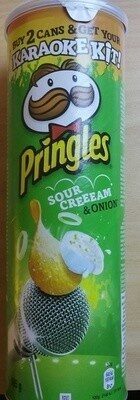
Sour Cream & Onion Potato Chips
Pringles
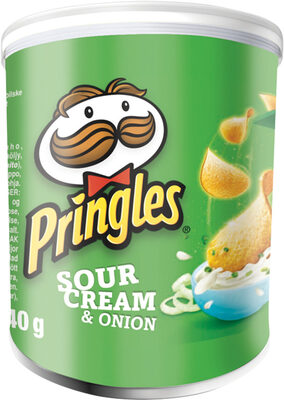
Sour Cream & Onion
Pringles

Crema y Cebolla
Pringles

Sour cream & Onion
Pringles
Showing up to 12 products from our database. Search all products.